


The True Cost of Ignoring Pest Control in Commercial Spaces
Let’s first discuss why the pest problem has become such a serious issue in commercial space…
First of all, many business owners think pest problems are only a minor inconvenience—until the damage starts affecting operations, reputation, and revenue. But, in commercial environments, pests don’t just create hygiene concerns; they disrupt daily business, damage stock, trigger legal issues, and even drive customers away.
It doesn’t matter if it’s a restaurant, warehouse, office, retail store, café, or medical facility; pests can quickly become an expensive problem if ignored for too long.
And this is the reason why businesses today are more actively searching for “pest control near me for businesses” before infestations become unmanageable.
True cost of ignoring pest control in a business
The real cost goes far beyond the price of treatment.
When pest problems are ignored, businesses often face:
- Property damage
- Contaminated products or stock
- Failed inspections
- Loss of customers and reputation
- Staff health concerns
- Business downtime
- Expensive emergency treatments
Note, most of the infestations start small, but once rodents, cockroaches, ants, or termites establish themselves, the costs rise quickly.
In many cases, the long-term “cost of pest infestation in business” becomes far higher than routine prevention.
Financial Damage pests can do …
The financial impact of pests can hit businesses from multiple directions at once.
1. Property and equipment damage
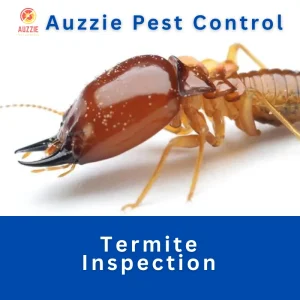
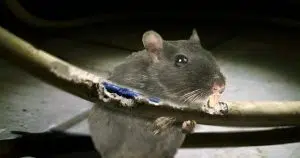
Rodents chew wiring, insulation, packaging, and even machinery cables. Termites damage timber structures quietly over time.
What starts as a small pest issue eventually leads to costly repairs or replacements.
2. Stock contamination
In food businesses, warehouses, and retail environments, pests contaminate products through droppings, urine, or nesting. This often leads to wasted stock and financial loss.
3. Failed health inspections
Businesses in hospitality and food service are especially vulnerable to pest.
A failed inspection can result in:
- Fines
- Compliance notices
- Temporary shutdowns
- Public complaints
For many businesses, the reputational damage is even worse than the penalty itself.
Pest issues and Business’s reputation
In today’s world, one customer photo or online review can spread quickly.
Imagine a customer spotting:
- A cockroach in a café
- Rodent droppings near products
- Ants crawling in a waiting area
Even a single incident can affect online reviews, customer trust, and repeat business.
People associate pests with poor hygiene and poor management—whether that’s fair or not.
This is one reason why businesses increasingly rely on professional “commercial exterminator services” instead of waiting for visible infestations.
Which businesses are most at risk from pest infestations?
While every commercial property can experience pest problems, some industries face a much higher risk.
These include:
- Restaurants and cafés
- Hotels and hospitality venues
- Warehouses and storage facilities
- Grocery stores and supermarkets
- Offices with kitchens or shared spaces
- Medical clinics and aged care facilities
Warm climates and busy environments create ideal conditions for pests to thrive year-round.
Why do businesses often delay pest control?
- Many owners delay pest control because:
- They think the issue is “not serious yet”
- They want to avoid extra expenses
- They assume DIY solutions will work
- They only react once pests become visible
Unfortunately, by the time pests are noticeable during business hours, the infestation is often already established behind walls, ceilings, or storage areas.
Preventative pest control is cheaper than Emergency treatment
Preventive treatment is designed to stop infestations before they become severe.
Emergency pest control, on the other hand, often involves:
- Larger infestations
- Multiple treatments
- Business interruptions
- Faster response costs
- Repairing existing damage
This is why many companies now treat routine pest management as a business investment rather than an optional expense.
Factors affecting Commercial pest control costs
The “commercial pest control cost” depends on several factors.
These include:
- Size of the property
- Type of business
- Severity of infestation
- Frequency of service
- Type of pests involved
Compliance requirements
For example:
- A small office may only need quarterly preventive treatment
- A busy restaurant may require monthly inspections and treatment
Businesses handling food generally need more frequent servicing due to higher compliance expectations.
What should businesses look for in a pest control provider?
Choosing the right provider matters just as much as getting treatment itself.
A professional commercial pest control company should offer:
- Licensed and insured technicians
- Experience with commercial properties
- Custom treatment plans
- Compliance documentation and reports
- Preventive strategies, not just quick fixes
- Flexible scheduling to minimise disruption
Reliable providers focus on long-term protection rather than temporary spraying.
How often should commercial pest control be done?
There’s no universal schedule because every business is different.
However, general recommendations are:
- Restaurants and food businesses: Monthly
- Warehouses and retail stores: Every 2–3 months
- Offices and low-risk environments: Every 3–6 months
Routine inspections help detect problems early before they become expensive.
Can businesses rely on DIY pest control?
For commercial spaces, DIY solutions are rarely enough.
Store-bought sprays may temporarily reduce visible pests, but they don’t address:
- Nesting areas
- Entry points
- Breeding cycles
- Hidden infestations
Commercial properties require proper inspection, monitoring, and long-term prevention strategies.
This is why professional “commercial exterminator services” remain essential for businesses serious about hygiene and compliance.
Warning signs businesses should never ignore
Some early signs include:
- Droppings near storage or kitchens
- Strange odours
- Gnawed packaging or wires
- Scratching sounds in walls or ceilings
- Customer or staff pest sightings
- Increased insect activity near food or bins
The earlier these signs are addressed, the easier and cheaper the solution usually is.
Conclusion
Ignoring pest control in commercial spaces may seem like a way to save money initially, but the long-term consequences are often far more expensive. From property damage and stock loss to failed inspections and damaged reputation, pests can impact nearly every part of a business.
The good news is that most major infestations are preventable with regular inspections and professional treatment. Instead of waiting for pests to become visible, businesses should focus on proactive prevention and ongoing maintenance.
Whether you run a restaurant, office, warehouse, or retail space, investing in proper pest management today can save your business significant stress, downtime, and financial loss later. A professional approach not only protects your property but also helps maintain customer trust, staff safety, and business compliance in the long run.