Free Rodent Treatment in Roof Pet & Kids Safe Treatments • Affordable Pricing 12 Months Warranty on Pest Service Licensed & Insured 12 Months Warranty on Service Call Now For Same-Day Booking & Free Quote

Bee Removal Brisbane

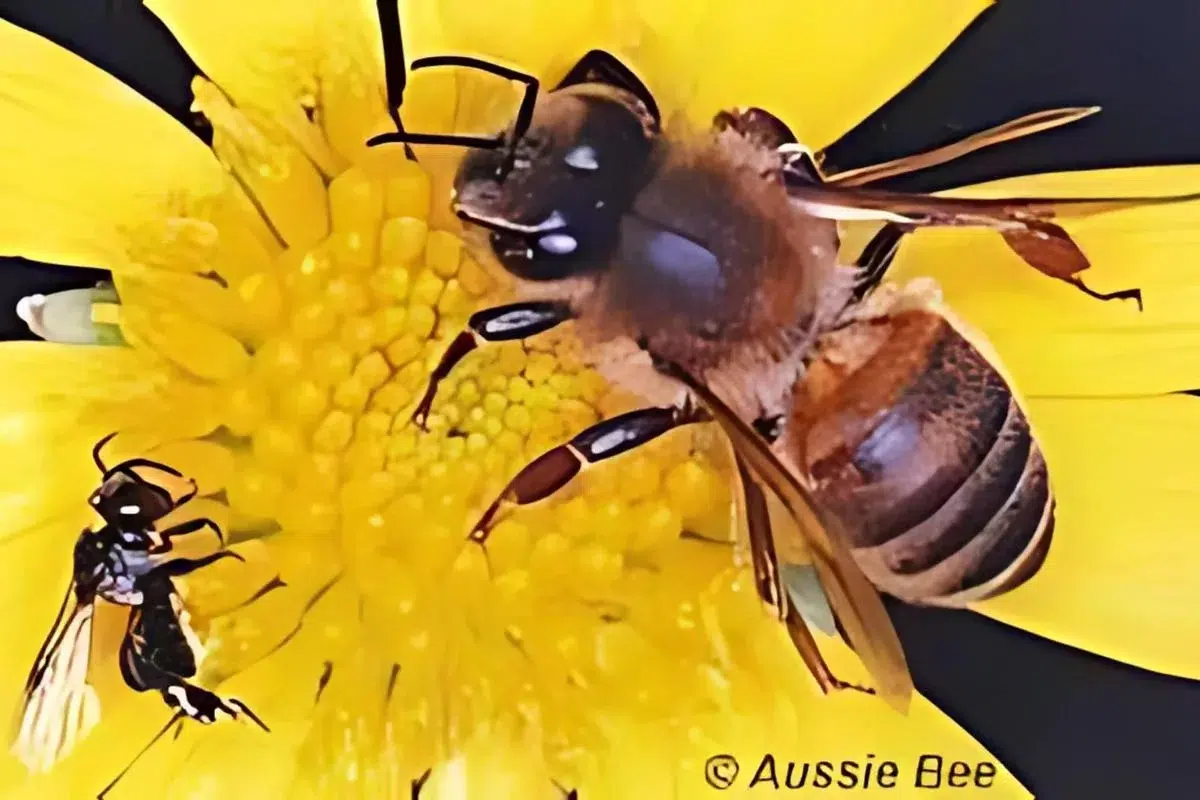
Hear that buzz? The first thing that comes to mind is bees. There are around 1500 native bee species in Australia, including the introduced European honeybee. Bees can be in all shapes, sizes, and colours. They can be smaller than a grain of rice. Bees play an extremely important role in the environment as pollinators, helping ecosystems stay healthy, but they become a problem when they build hives in homes or high-traffic areas. Bees may cause safety concerns for kids and outdoor workers. Bee swarms and nests are commonly found in roof voids, wall cavities, trees and outdoor structures. Although bees are less aggressive than wasps, they still cause stings and allergic reactions, and large colonies can pose a risk to people and pets. Auzzie Pest Control provides professional bee removal Brisbane services, making sure they are safely removed and relocated wherever possible to protect both property and the environment. We offer same-day bee removal service all across South East Queensland in the Gold Coast, Sunshine Coast, and Logan. Ipswich and all surrounding areas. Our licensed and insured pest technicians provide guaranteed bee pest control service at affordable rates.

Pests We Cover

We at Auzzie Pest Control offer you complete pest control solutions with our integrated pest management plan. Our locally trained pest technician knows all types of local pest activity and provides customised pest and termite control services for all types of residential and commercial properties all across South East Queensland. Just get in touch with us to get free quote or same-day pest control treatment to keep your property pest-free.

Types of Bees Found in Brisbane

Want to differentiate between bees, wasps, or flies? Or understand the types of bees commonly found in residential and commercial properties? This guide is for you. Australia is home to around 1500–1700 native bee species. While most are harmless and beneficial pollinators, some can create issues when nesting in or around buildings. Identifying the bee species helps pest control professionals choose the safest and most effective removal method.

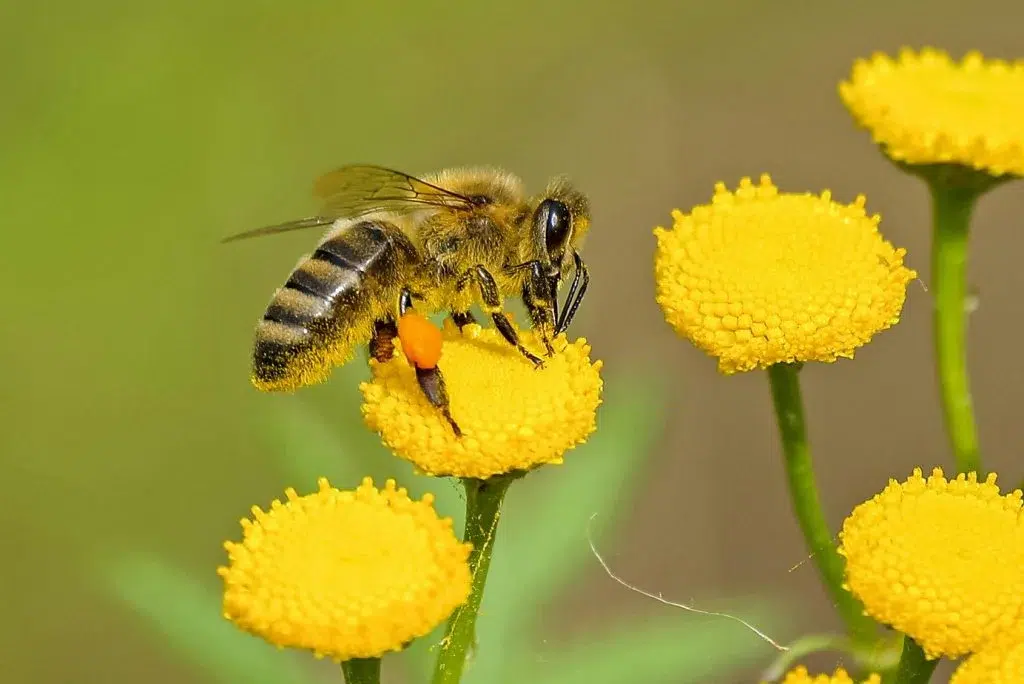
European Honey Bee (Apis mellifera)

  • Identification: Fuzzy, golden-brown bees living in large colonies.
  • Size: 12–15 mm.
  • Colour: Golden-brown with black bands.
  • Habitat: Tree hollows, wall cavities, roof voids or beehives.
  • Feeding Habits: Feed on nectar and pollen; produce honey and wax.

Honeycomb or wax structures, constant bee traffic at a single entry point, and buzzing inside walls or ceilings indicate honey bee activity.

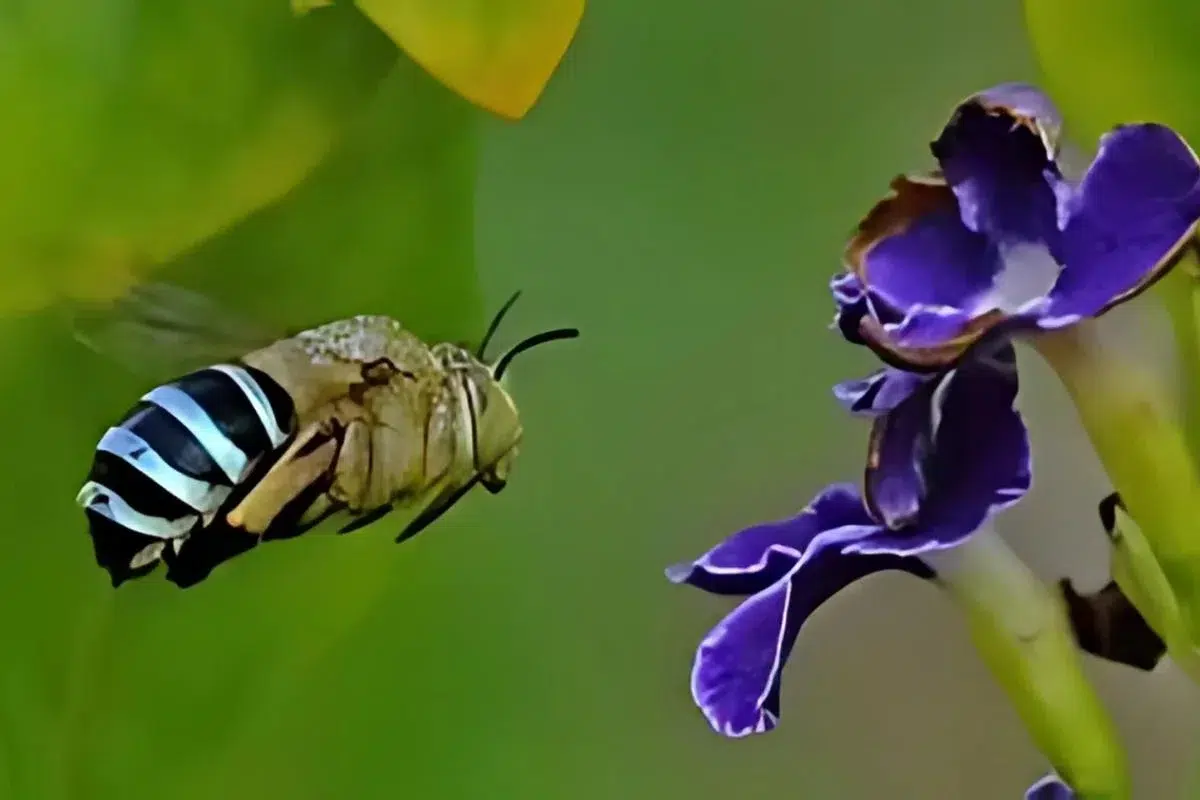
Blue-Banded Bee (Amegilla spp.) – Native

  • Identification: Bright blue bands across abdomen.
  • Size: 10–12 mm.
  • Colour: Black with blue stripes.
  • Habitat: Soil, clay walls, mortar, and outdoor areas.
  • Feeding Habits: Feed on nectar and pollen.
Small burrows in soil or walls and individual bee activity indicate blue-banded bees.

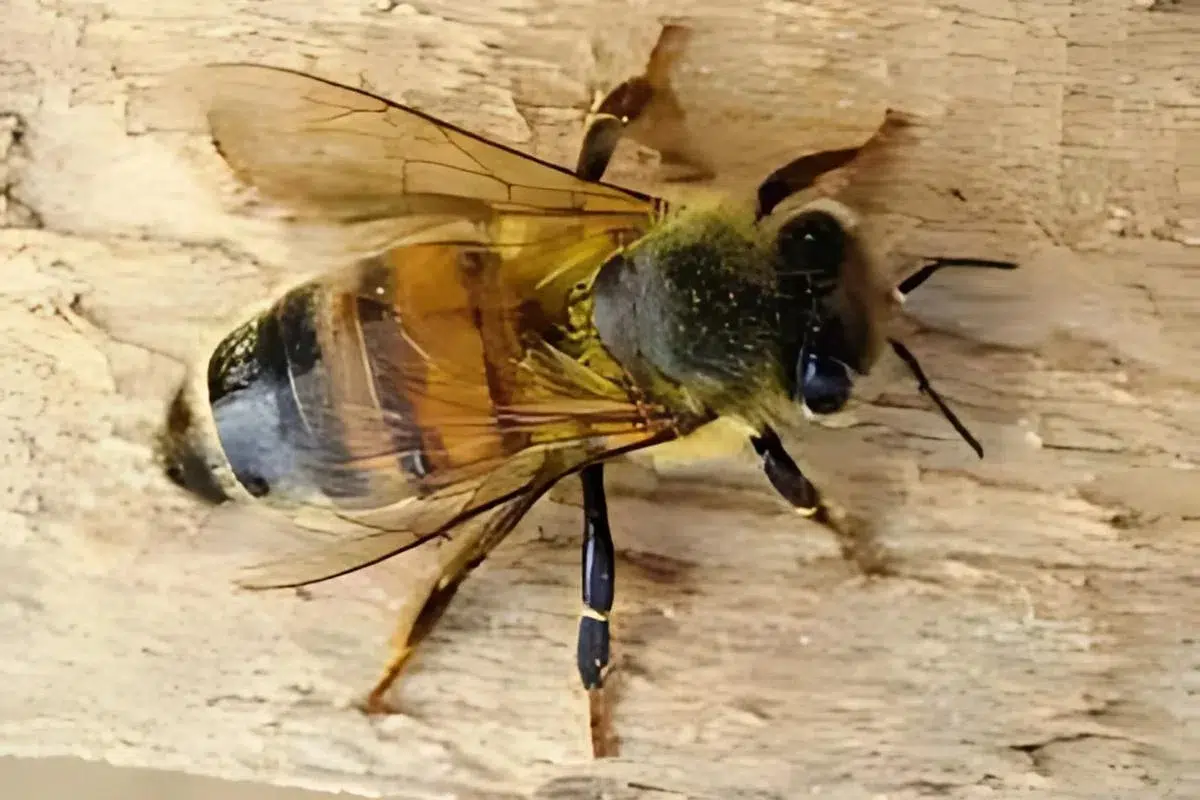
Teddy Bear Bee (Amegilla bombiformis) – Native

  • Identification: Fuzzy, golden-brown, resembles bumblebee.
  • Size: 15–20 mm.
  • Colour: Dense golden fur with dark bands.
  • Habitat: Soft soil, creek banks, under structures.
  • Behaviour: Solitary pollinator.
Individual bees near ground burrows and low activity rather than large colonies.

Stingless Bee (Tetragonula spp.) – Native

  • Identification: Small bees with no functional stinger.
  • Size: 3–5 mm.
  • Colour: Black or dark brown.
  • Habitat: Tree trunks, wall cavities, crevices.
  • Feeding Habits: Nectar and pollen.
Small entry holes with light bee activity and resin/wax buildup indicate stingless bees.

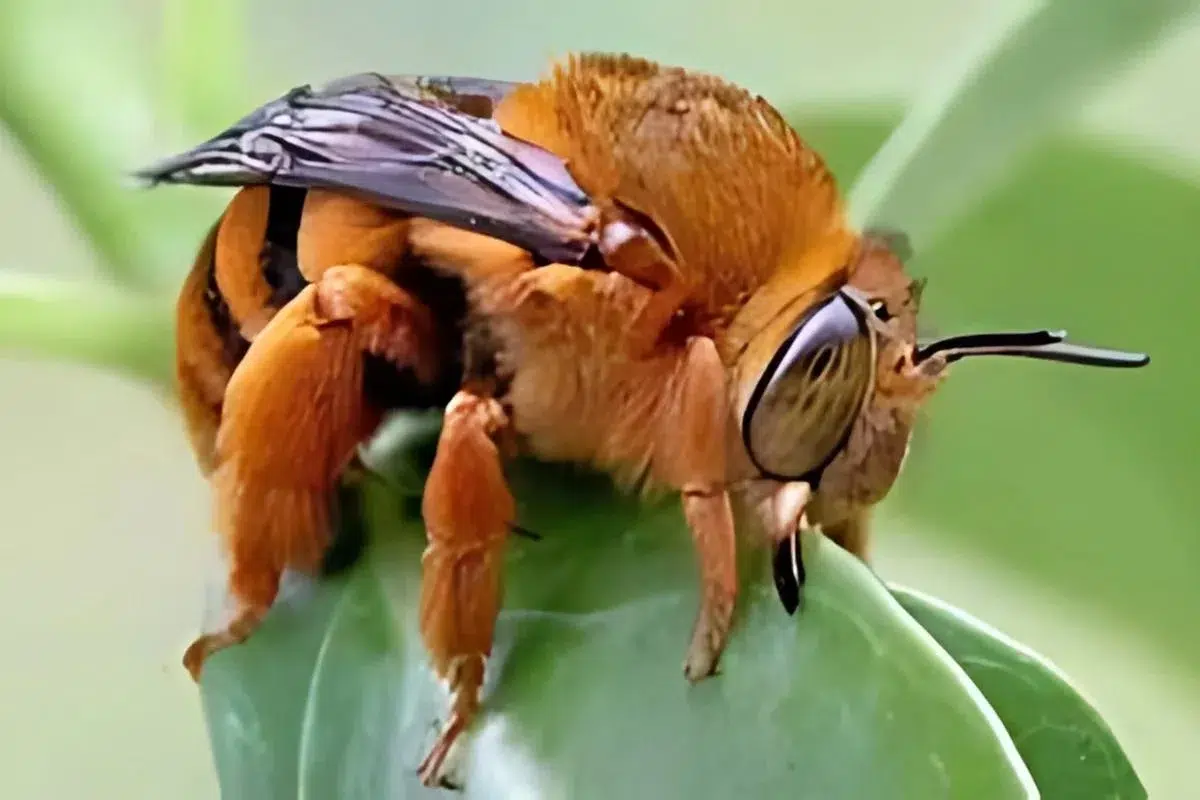
Carpenter Bee (Xylocopa spp.) – Native

  • Identification: Large, robust bees resembling bumblebees.
  • Size: 15–25 mm.
  • Colour: Black with metallic sheen.
  • Habitat: Wooden structures, decks, fences.
  • Feeding Habits: Nectar and pollen.
Small round holes in wood, sawdust near entry points, and low-level bee activity indicate carpenter bees.
Bee Growth Stages

Stages of the Bee Life Cycle

Bees undergo complete metamorphosis in four stages: egg, larva, pupa, and adult. This process allows bee colonies to grow efficiently and maintain their structure. The duration of the life cycle depends on the bee species, environmental conditions, and seasonal activity.

The cycle begins with the queen laying eggs, which hatch into larvae, then develop into pupae, and finally emerge as adult bees. The entire development process usually takes between 16–24 days depending on the bee’s role in the colony.

Understanding the bee life cycle is important for effective bee control. Many DIY methods only target visible bees, while the colony continues to grow. Professional bee removal focuses on identifying the stage and location of the hive to safely manage and prevent infestations.


Stages of bee life cycle including egg larva pupa and adult
01

Egg

The queen bee lays eggs inside hexagonal hive cells. These small white eggs hatch within 1–3 days.

02

Larva

The egg develops into a worm-like larva, fed by worker bees with nectar, pollen, and royal jelly. This stage lasts 4–5 days.

03

Pupa

The larva transforms into a pupa inside a sealed wax cell. No feeding occurs while it develops into an adult bee (10–12 days).

04

Adult

Fully developed bees emerge and take roles in the colony such as worker, drone, or queen.

The full life cycle varies by role: Queen (16 days), Worker (21 days), and Drone (24 days). Worker bees live around 6 weeks in summer, while queens can live for several years. Rapid colony growth makes early detection and professional bee control essential.

How to Prepare for Bees pest control

If you can’t handle a rodent infestation by yourself, choose professional services. Here is the guide in which you will get to know how to prepare for your rodent control treatment to maximize its effectiveness and minimize disruptions to your daily life.

Why Bees Control Matters

Why Bees Are a Problem?

Bees are very important for the environment and are not inherently a problem. In fact, they are facing a survival crisis—known as “bee decline due to human activity which is leading to their habitat loss. This decline in the bee population threatens global food security, as bees are vital pollinators for about one-third of the crops humans eat. Though essential for the environment, they can become a safety concern when they build hives in or around homes. Large bee colonies near living or high-traffic areas increase the risk of stings and property issues, making professional bee removal necessary. Our bee removalists do a thorough inspection and focus on safe relocation and controlled treatment of the infested area, rather than unnecessary extermination.

Bees play an important role in pollination and should be protected wherever possible. As bees sting and exhibit aggressive behaviour, professional bee control is the safest and most effective way to deal with all types of bee infestations. If you spot a beehive hanging around, don’t touch or wait; just contact a bee professional from Auzzie Pest Control. Our licensed & insured bee exterminator will perform bee treatment safely, safeguarding your family and property against bee infestations.

Common Bees problems include

They cause safety and health hazard for nearby residents
Their stings can cause serious allergic reactions like anaphylaxis
They cause structural damage to property with honeycomb
They are difficult and unsafe to remove without professional help.
They make outdoor areas unsafe for children and pets.
They can attract other pests such as ants and rodents
Interesting Facts About Bees
Auzzie Pest Control

What are the common signs of a bee infestation?

Sipping your morning coffee and hearing that buzzing? A humming sound that starts quietly but gets louder and louder with time tells a lot. Seeing bees in your garden is normal, and in fact great for pollination. Bee activity is usually easy to notice, especially when a hive is forming or already established. Common signs of bees include constant bee movement in certain areas, and identifying these signs early helps prevent bee colonies from developing. Common signs of a bee infestation include a loud buzzing sound, a high volume of bees in a specific area, and visible, dark, sticky, or wet stains on walls or ceilings and many more. If you see any of these infestation signs, it's important to call a professional bee pest control company to ensure safe bee removal for both your family and the bees. Key Bee infestation signs include:

Constant Bee Activity in One Area

If you see a constant flow of bees flying around a particular spot, repeated movement into the same opening, it is a strong sign of a hive nearby.

2
Bees Entering Roofs or Walls

Bees commonly build their hives inside structures, and if you see bees entering small gaps in walls or roof lines or activity around vents, eaves, or cracks indicates a hidden hive.

3
Buzzing Sounds Inside Structures

 If you hear continuous buzzing sounds or vibrations within walls or roof spaces, which are noticeable in quiet areas is a primary indicator of a large established bee colony.

Pest Exterminators
4
Visible Swarms of Bees

 Large, visible clusters or bees shaped like a big cloud and gathered on a tree branch or in a chimney are a bee swarm. Usually, when a colony expands and splits to build a new hive is a sign.

5
Presence of Honeycomb or Wax

 If there is an established bee infestation, you may notice honeycomb structures, wax deposits or sticky or dark stains on walls. Even a faint sweet odour in certain cases may indicate a long-term beehive.

6
Increased Bee Activity in Gardens

We know bees are attracted to flowers, but increased activity may indicate a nearby hive or an established bee colony. If you spot small piles of sawdust or find dead or weak bees near windows indicate hive.

If you notice one or more of these signs of bee infestation around your property that most probably indicates an established bee colony. So, what to do if you spot these signs? First of all, don’t touch it all, as this can trigger a dangerous response from bees and don’t try to seal the holes bees are currently using, as this would make them look for new entry points. Now, just call a licensed and insured bee pest control expert from the local pest control company like Auzzie Pest Control to eliminate bees, and take care of your bee problem for you.

Bees Nesting & Activity Areas

Where are Bees commonly found?

Bees can be found on all continents except Antarctica. Although bees prefer sheltered and protected locations to build their hives, they can easily be found close to human habitats if suitable nesting spaces and food sources are available for them, typically in habitats with abundant flowers like gardens, woodlands, and meadows. Bees live in hives or nests, which can be located in both natural environments, like hollow trees, or for many species, in underground burrows, plant stems, or man-made structures.

Common Outdoor Habitats

The most common location for bees is outdoors, mostly in natural and sheltered environments, as these areas offer natural shelter and food sources. Common outdoor locations include:

  • Trees and hollow logs
  • Gardens and dense shrubs
  • Fence lines and outdoor structures
  • Sheds, pergolas and decking areas

Common Indoor Habitats

Although not so common, bees can make their hives inside buildings as well, especially in hidden or protected spaces, if they find any opening or gap to get inside. Common indoor locations include:

  • Wall cavities and internal voids
  • Roof spaces and ceilings
  • Eaves, vents and roof edges
  • Chimneys and enclosed structures

Bees are attracted to nectar and pollen; hence, they are commonly found around flowering plants and gardens, fruit trees and landscaping with high plant density. If you see increased bee activity in these areas, it indicates a bee hive or colony nearby. Although some hives are hard to find and can remain hidden for really long periods of time. Common hidden locations for bees include inside wall gaps, roof voids or insulation spaces. Since bees can be found in both visible and hidden areas, only an expert bee technician can identify the exact beehive location and perform effective bee removal treatment. At Auzzie Pest Control, our bee removal specialists remove the bee nests and treat the areas to prevent re-infestation.

Get in touch

See one Hive? Bees
can be in thousands!

A hidden hive today can become a dangerous swarm tomorrow. Our Bee Removal Experts safely remove the hive and treat the area preventing them from returning. We at Auzzie Pest Control remove the hive- not just bees.

Get in touch
Make Appointment

    Professional Bees Control

    How We Remove Bees – Professional Bee Removal Methods

    Planning DIY for bee removal? This can prove dangerous for you. Bee removal requires a careful and environmentally responsible approach from pest experts. Since bees are essential pollinators, professional bee treatment focuses on safe removal and live relocation wherever possible, or extermination if they pose any immediate safety risk. Our bee exterminators choose the appropriate bee removal method while ensuring the safety of people and property. With our integrated pest management approach, we make sure bees are safely removed and relocated with our targeted bee removal approach. You can be assured of the fact that your property is in safe hands when you choose Auzzie Pest Control for effective bee removal service in Brisbane, Gold Coast & Sunshine Coast.

    Live Bee Removal

    Our bee specialists perform physical removal of the hive, including honeycomb and colony, from structures such as walls, roof voids and trees where we can commonly find their hive.

    Structural Cut-out

    If the bee infestation is in the wall cavity or hives are located inside buildings, our bee removal experts will cut away a portion of the structure to remove the hive and honey.

    Trap-out Method

    One of the common methods used by bee pest experts is the trap-out method, in which a one-way mesh cone is placed at the entry point, allowing bees to leave but not return, making bees to settle in the trap box placed nearby.

    Extermination/Removal in Voids

    In places where a beehive is inaccessible or dangerous, our experienced bee controllers use fast-acting insecticides to quickly reduce active bee populations, providing instant relief

    Vacuum Collection

    Our bee specialists use specialised low-suction vacuums, which are used to safely collect bees without harming them into a box, and then moved to a new and safe location.

    Honeycomb Removal & Proofing

    For complete bee removal treatment, we remove the honeycomb to prevent structural damage and avoid attracting other pests like ants. Post that we seal all gaps and access points to prevent re-infestation of bees. Locating the hive and identifying the bee species to determine the safest removal method.

    Professional Bee Removal Methods

    Professional bee removal ensures safe handling of bees while protecting your property and reducing the risk of future infestations. Auzzie Pest Control’s bee removal team provide you with fast and effective same-day bee removal services. With our expert pest control service, bees will remain out of your property for a long time, and you will feel safe again in the outdoors. Book our local bee experts with just one call.

    Professional Bee Removal Process

    Our Bee Treatment Process

    If you want to make sure bees are safely removed from your property without causing harm or future problems, then you need a professional and careful approach. At Auzzie Pest Control, we follow a structured bee removal process that focuses on safe handling and relocation wherever possible. Our goal is not just to remove the hive, but to do it responsibly while protecting both your property and the environment. From locating the hive to safely removing bees and clearing out honeycomb, every step is handled with care. Once we are confident that all bee activity has stopped, we seal the entry points to prevent them from returning. This is only done after we are sure the hive has been fully removed and there is no ongoing activity inside the structure.

    Step 1

    Inspection and Hive Location

    The first step is to identify the exact location of the bee hive by observing bee activity and entry points. Hives are commonly found inside walls, roof voids, trees or other sheltered areas around the property.

    Step 2:

    Assessment and Removal Plan

    Our bee technicians assess the size of the hive, bee activity and location, then decide the safest approach. Wherever possible, we aim for safe removal and relocation rather than extermination.

    Step 3

    Safe Honeycomb & Bee Removal

    We carefully remove or relocate the bees using appropriate methods and equipment. After removing the bees, we clear out honeycomb, wax and any remaining material to prevent structural damage and avoid attracting other pests.

    Step 4

    Final Check and Prevention Advice

    Once we confirm there is no more bee activity, we seal entry points so that bees can’t return and our bee experts will provide post treatment advice to reduce the chances of bees returning to the same spot.

    If the hive is located in a hard-to-reach area or if there is a risk of stings, it’s always best to leave the job to trained professionals. Our team uses the right equipment and safety measures to handle bee removal properly. With our careful and responsible approach, you can be confident your property will be safe and free from unwanted bee activity.

    Why Choose Auzzie Pest control For Bee control?

    Bee removal requires experience, sensitivity and a careful balance between safe removal and environmental responsibility. We at Auzzie Pest Control make sure all these requirements are met. We provide reliable bee removal Brisbane services using safe, controlled and eco-friendly methods to protect both your property and local bee populations. Our experienced pest technicians understand local bee behaviour and seasonal activity and perform the treatment accordingly. Our bee removalists are trained in identifying different bee species and applying the safest bee removal techniques. We don’t just remove bees — we prevent them from returning. Auzzie Pest Control offer quick response for urgent bee issues all across Brisbane, Gold Coast & Sunshine Coast.

    If you are dealing with a beehive or swarm, contact Auzzie Pest Control today for safe and professional bee removal Brisbane services. To get rid of bees in your residential or commercial properties and for same-day bee removal service, just give us a call and sit relaxed.

    So, why choose us?

    • Fully Insured & Licensed Technicians
    • Reliable & Guaranteed Pest Service
    • Experienced Bee Removal Specialists
    • Queensland Health Guidelines Followed
    • Safe & Humane Bee Removal Methods
    • Same-day Bee Removal Service
    • Affordable & Reliable Service
    • Your Local Bee Removal Experts

    Bee Removal Service Areas

    Auzzie Pest Control provides professional bee removal services across Brisbane and surrounding areas, including the Sunshine Coast and Gold Coast. Our local team handles bee hives safely and responsibly, with a focus on removal and relocation wherever possible. We work with both commercial and residential properties, making sure the job is done properly without putting people or the environment at risk. Along with bee removal, we also offer a full range of pest control services including ant control, cockroach control, rodent control, spider control and termite control. Our technicians are locally trained and understand the pest issues common across South East Queensland, so we can provide the right solution for your property — whether it’s a house, apartment or rental. All our treatment packages are designed for long-term results, and many of our general pest services come with a 12-month warranty at no extra cost.

    If you are looking for a bee removal service near you or need same-day assistance for a hive or swarm, contact Auzzie Pest Control today for safe and reliable bee removal. You can schedule pest inspections, preventative treatments or specialised pest services with one of Brisbane’s trusted local pest control teams. Give us a call for professional, high-quality service when you need it.

    Shop NOw

    Book Your Pest Control

    End Of Lease Pest Control
    Price range: $175.00 through $540.00
    General Pest Control + Termite Inspection
    Price range: $320.00 through $520.00
    Termite Inspection
    Price range: $175.00 through $330.00
    Rodent Treatment
    $240.00

    Book Bee Removal Brisbane

    If you’ve noticed bees around your home or a hive starting to form, it’s best to deal with it early. At Auzzie Pest Control, we provide safe and reliable bee removal Brisbane services, including relocation wherever possible. We also handle all types of general and specialised pest problems, so your home or business stays protected. Our team has the experience to get the job done properly and prevent the issue from coming back. If you need help, just give us a call — we’re here to help.

    FAQ

    Frequently Asked Questions

    Answers to Bees pest control questions

    Not usually. Bees are vital pollinators and are protected in many parts of Australia. But they can become risky pests if their nests are found in or near homes, public areas, or under roofs. It’s recommended to use a professional pest control company to safely remove their nests.

    The most common bee species in Australia are:European Honey BeesNative Australian BeesCarpenter BeesStingless Bees

    Bees become dangerous when nesting near homes, schools, parks, or inside roofs, walls, and sheds. Some individuals are allergic to bee stings. Professional bee removal services can safely eliminate bee hives.

    Do not touch them. Stay calm, keep a safe distance, and don’t try to spray or destroy the hive. Licensed professionals can safely remove bee hives from your property.

    We always try to relocate hives whenever possible. We work with local beekeepers and rescue services, using humane removal methods most of the time.

    Yes. If a hive is inside walls or the roof, honey and wax can leak into insulation and wiring, causing structural damage. Their smell may also attract other pests such as ants and rodents.

    Bees are generally less aggressive than wasps. Wasps can sting multiple times, whereas bees usually cannot. If you’re unsure, contact a professional for proper identification before taking action.

    Yes, especially when done by professionals. We use safe, non-toxic methods when relocating hives and will advise you on any short-term precautions during the removal.

    The cost depends on factors such as:Hive location (roof void, wall cavity, garden, etc.)Accessibility and safety levelWhether relocation is possibleTechnicians usually provide free quotes and explain all options clearly.

    Yes, urgent same-day services are available in cases such as:Hives near schools or playgroundsBees swarming in public places (e.g., supermarkets, stations)Properties where someone is allergic to bee stings
    The Buzz About Bees: Understanding Australia’s Bees ( Why they become a problem)
    13 Jan 2026 Bees
    The Buzz About Bees: Understanding Australia’s Bees ( Why they become a problem)

    Australia is home to around 1700 bee species.  Bees are very important for pollinating native flora and for maintaining the...

    Book service

    General Pest Control Offer