


Why Brisbane Restaurants and Cafes Need Professional Commercial Pest Control
Introduction
Brisbane’s food scene has exploded over the last decade. From buzzing Fortitude Valley cocktail bars and South Bank eateries to tucked-away West End cafes and riverside fine dining venues, the city has become one of Australia’s most competitive hospitality markets. Customers expect exceptional food, spotless presentation, and a dining experience worth sharing online.
What they absolutely do not expect is – A cockroach sprinting across the kitchen floor or a rat spotted near the bin area. And that’s where professional commercial pest control becomes non-negotiable.
With its warm subtropical climate adds an extra layer of pressure on restaurant and café owners, known as Pest pressure. The city’s high humidity, summer storms, and proximity to the Brisbane River create ideal breeding conditions for insects and rodents year-round. And with commercial kitchens full of heat, moisture, food scraps, grease, and constant deliveries, – one has essentially built a five-star resort for pests.
For hospitality businesses, pest management isn’t just about avoiding inconvenience. It’s tied directly to food safety compliance, council inspections, customer trust, and one’s reputation. One infestation can lead to failed audits, damaged reviews, lost revenue, and in severe cases, temporary closure.
Smart Brisbane venue owners understand that pest control is preventative, not reactive. Waiting until staff see rodents or cockroaches during service usually means the infestation is already well established.
Pest Risks in Food Businesses
Commercial food venues naturally attract pests. Restaurants and cafes generate continuous waste throughout the day. Even highly organised kitchens produce crumbs, grease build-up, moisture under appliances, and organic waste in bins and drains. Pests only need tiny amounts of food and water to survive.
Late-night trading in Brisbane also increases risk. Venues in areas like Fortitude Valley or the CBD often operate deep into the evening, meaning food residue and rubbish can sit overnight.
Some of the biggest risk factors include:
- Constant food deliveries introducing pests via cardboard packaging
- Open back doors during busy service periods
- Shared walls in shopping precincts or food courts
- Poor waste management around external bins
- Moisture build-up from dishwashing stations and drains
- Grease accumulation behind cooking equipment
- Staff leaving food uncovered in storage areas
Common Pests Found in Brisbane Restaurants
Brisbane hospitality venues commonly deal with several persistent pest species, each bringing its own problems. Major among these are –
German Cockroaches
German Cockroaches are small, fast-breeding, and highly adaptable that thrive in warm appliance motors, cracks behind splashbacks, and under cooking equipment.
They’re especially common in:
- Takeaway kitchens
- Cafes with compact prep areas
- Dishwashing zones
- Older CBD buildings with shared plumbing
Cockroaches contaminate surfaces with bacteria, saliva, droppings, and shed skin. They’re strongly associated with food poisoning risks and health code violations.
Rats and Mice
Throughout Brisbane, rodents are a major issue near waterways, laneways, and older suburbs. Roof rats and Norway rats frequently enter venues through roof cavities, drains, wall gaps, and loading areas.
Signs often appear first around:
- Dry storage rooms
- Bin storage areas
- Ceiling spaces
- Pantry shelving
- Electrical cable runs
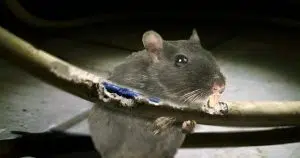
Rodents damage packaging, chew wiring, contaminate ingredients, and spread disease through urine and droppings.
Ants
Ant infestations increases during heavy rain periods. Once ants discover sugar, syrups, coffee residues, or sweet ingredients, they establish trails quickly.
Many Brisbane cafes struggle with ants near:
- Coffee stations
- Dessert displays
- Beverage preparation areas
- Outdoor dining sections
Humidity keeps colonies active almost year-round.
How Pests Affect Food Safety Compliance
Its common knowledge that Australian food businesses operate under strict hygiene standards, and pest activity directly threatens compliance obligations.
Under Food Standards Australia New Zealand (FSANZ) requirements, food premises must actively prevent pest harbourage and contamination. Queensland food businesses are also subject to local council health regulations and inspections.
Inspectors don’t just look for live pests. They assess whether your venue demonstrates effective pest prevention systems.
Common compliance concerns include:
- Rodent droppings
- Dead insects in storage areas
- Cockroach egg casings
- Damaged food packaging
- Poor waste management
- Unsanitary grease build-up
- Inadequate proofing around doors and drains
Food Safety Supervisors are expected to maintain documented hygiene procedures, including pest management records. Without professional treatment history, venues can struggle to demonstrate proactive compliance measures. Many Brisbane councils also review service reports from licensed pest professionals during inspections.
Health Inspection Failures Caused by Infestations
Brisbane City Council health inspections are something that needs to be taken seriously across entire hospitality industry. Health Inspectors know exactly where pests hide and what warning signs to look for.
Possible outcomes – if inspector finds evidence of infestation include:
- Improvement notices
- Monetary fines
- Mandatory follow-up inspections
- Public health enforcement action
- Temporary closure orders
- Suspension risks for severe breaches
Most importantly, financial damage rarely stops there. A failed inspection can affect supplier relationship, insurance concerns, staff morale, and customer confidence. In today’s digital world, news travels fast. Customers frequently photograph hygiene concerns and post them online before management even becomes aware of the problem.
Operators negligently assume a single cockroach sighting won’t matter. Unfortunately, inspectors often view visible pests as evidence of a broader underlying infestation. That’s why professional pest management isn’t merely about extermination. It’s about documented risk prevention and maintaining inspection readiness every day of the year.
Kitchen Areas Most Vulnerable to Pests Commercial kitchens have predictable danger zones where pest activity usually begins. Under Heavy Equipment like Ovens, fryers, cool rooms, and refrigeration motors generate warmth and trap grease. These dark, hard-to-clean areas become ideal cockroach harbourages.
Dishwashing Stations moisture is a magnet for pests. Constant humidity, food residue, and floor drain activity make dishwashing sections particularly vulnerable. Dry Storage Pantry’s rodents love quiet storage spaces containing grains, flour, sugar, rice, and cardboard packaging.
Grease Traps and Drains Organic build-up creates perfect breeding conditions for flies and cockroaches. Drain systems are one of the most overlooked infestation sources in Brisbane kitchens. Waste Disposal Zones external bin areas attract rodents rapidly, especially during hot weather. Overflowing bins or poorly cleaned waste areas increase risk dramatically.
Professional technicians focus heavily on these hidden zones because visible areas often only reveal a fraction of the actual infestation.
Rodent and Cockroach Prevention Strategies
Effective prevention strategies include:
- Sealing gaps around pipes, drains, and wall penetrations
- Installing door sweeps on rear entrances
- Storing food in sealed containers
- Rotating stock properly using FIFO systems
- Cleaning grease build-up behind equipment
- Emptying internal bins frequently
- Pressure cleaning external waste zones
- Repairing leaking taps and plumbing quickly
- Removing cardboard packaging promptly
- Keeping floor drains clean and dry where possible
One major mistake Brisbane venues make is relying entirely on aerosol sprays purchased from supermarkets. These products may kill visible insects temporarily but rarely eliminate nesting sites.
Note, cockroaches especially become harder to control when low-grade chemicals are overused improperly.
Importance of After-Hours Pest Treatment
Hospitality venues can’t afford treatment disruptions during trading hours. Professional commercial pest control is usually scheduled after closing time or during low-traffic periods for several reasons.
Firstly, it protects customer experience. Nobody wants technicians treating a dining room during lunch rush. And secondly, after-hours servicing allows more effective treatment access. Kitchens can be dismantled, appliances moved, and high-risk areas treated thoroughly without interfering with operations.
Next, pest activity is often highest overnight. Cockroaches and rodents become more visible after lights go out, allowing technicians to identify infestation hotspots more accurately.
Experienced Brisbane commercial pest technicians also understand the importance of discretion. Treatments are conducted professionally and efficiently to minimise operational impact. For bars, cafes, and restaurants trading seven days a week, flexible after-hours servicing is essential.
How Regular Inspections Protect Your Reputation
Hospitality reputations are fragile. One customer spotting a cockroach near a pastry cabinet can undo years of branding and marketing investment. Google Reviews, TikTok videos, Facebook community groups, and TripAdvisor posts amplify hygiene concerns instantly.
People share negative experiences far more aggressively than positive ones. That’s why proactive inspections matter so much.
Regular commercial pest inspections help:
- Detect infestations early
- Prevent visible pest activity
- Protect online reputation
- Maintain customer confidence
- Reduce emergency shutdown risks
- Support food safety audits
Venues with consistent pest management programs generally experience fewer surprise infestations because technicians identify environmental risks before populations explode.
For Brisbane’s competitive cafe market, reputation protection alone often justifies the investment.
Signs Restaurant Owners Should Watch For
Early detection can save thousands in lost stock, closures, and emergency treatment costs. Restaurant owners and managers should watch for:
- Small black droppings near shelving or walls
- Smudge marks along skirting boards
- Gnaw marks on packaging
- Unusual ammonia-like odours
- Shredded paper or cardboard nesting material
- Dead insects near windows
- Cockroach egg casings
- Grease trails along walls
- Scratching noises in ceilings
- Increased fly activity around drains
Staff should be trained to report signs immediately rather than ignoring them.
Commercial Pest Control Checklist for Cafes
A structured hygiene routine dramatically reduces pest pressure.
Daily Checklist
- Empty internal bins regularly
- Clean under coffee machines
- Wipe syrup and sugar spills immediately
- Store ingredients in sealed containers
- Sweep and mop floors thoroughly
- Clean floor drains
- Inspect food deliveries for pests
- Remove cardboard packaging quickly
Weekly Checklist
- Deep clean behind appliances
- Pressure wash waste areas
- Inspect storage shelving
- Check for water leaks
- Review door seals and gaps
- Clean grease traps
- Rotate stock properly
- Monitor pest sighting logs
Monthly Checklist
- Schedule professional pest inspections
- Review staff hygiene procedures
- Assess external vegetation near entrances
- Inspect roof cavities and storage rooms
- Update food safety documentation
Consistency is what keeps Brisbane cafes protected long term.
Benefits of Ongoing Pest Management Contracts
One-off treatments rarely solve commercial pest problems permanently.
Brisbane’s climate supports year-round pest activity, meaning reinfestation risks remain constant. Professional maintenance programs focus on prevention rather than crisis response.
Benefits of ongoing pest management contracts include:
- Regular monitoring and early detection
- Reduced emergency callouts
- Compliance documentation for inspections
- Tailored seasonal treatments
- Long-term cost savings
- Better protection during summer peak periods
- Faster response times for urgent issues
From a business perspective, ongoing pest control delivers strong return on investment. Preventing one failed inspection or viral social media complaint can save far more money than the cost of routine servicing.
Frequently Asked Questions (FAQs)
How often should Brisbane restaurants have professional pest control?
Most Brisbane food venues benefit from monthly or quarterly servicing depending on risk level. High-volume kitchens, late-night venues, and businesses near waterways often require more frequent inspections due to elevated pest pressure.
Are pest control chemicals safe around food preparation areas?
Licensed commercial pest technicians use treatments specifically designed for hospitality environments. Applications follow strict safety guidelines, including targeted placement, food-safe procedures, and after-hours treatment protocols.
How much does commercial pest control cost for cafes and restaurants?
Costs vary depending on venue size, infestation severity, and treatment frequency. Small cafes may spend a few hundred dollars quarterly, while larger restaurants with complex kitchens often require tailored maintenance programs.
What should staff do if they spot a rodent or cockroach during service?
The sighting should be documented immediately and reported to management. Affected areas should be cleaned and inspected promptly, and professional pest technicians should assess the situation as soon as possible to identify the infestation source.
Most popular pest control services in Brisbane and nearby
Auzzie pest Control and Cleanwee Cleaning most high rated services in Brisbane for their pest control and cleaning services.
Conclusion / Call to Action
In Brisbane’s hospitality industry, pest control isn’t optional. It’s part of protecting your customers, your compliance status, your staff, and your reputation.
Professional commercial pest control helps Brisbane food businesses stay inspection-ready, protect online reviews, avoid costly shutdowns, and maintain the high standards modern diners expect.
If you operate a restaurant, cafe, takeaway shop, bar, or commercial kitchen in Brisbane, now is the time to arrange a professional inspection. A proactive pest management plan today can prevent a major business headache tomorrow.