


DIY vs. Professional Pest Control: Which Is Better?
Introduction
Picture this. It’s late at night. You walk into the kitchen for a glass of water, flip on the light, and something darts across the floor. Maybe it’s a cockroach. Maybe it’s a mouse. Either way, your heart skips a beat.
Most homeowners and renters have experienced some version of this moment. The immediate reaction is usually the same:
“Can I handle this myself, or do I need to call a professional?”
It’s a fair question. After all, hardware stores are packed with sprays, traps, baits, and gadgets promising quick results. At the same time, professional pest control companies advertise expertise, long-term solutions, and guaranteed treatments. Thus, the obvious – Which option is better?
The honest answer is that it depends on the pest, the size of the problem, your budget, and how much time you’re willing to invest. In some situations, a simple DIY approach works perfectly. In others, trying to tackle the issue yourself can end up costing more money and creating more frustration.
What Is DIY Pest Control?
DIY pest control refers to any pest management method that homeowners or renters perform themselves without hiring a professional. Which may include:
- Setting traps for rodents
- Using ant baits
- Applying insect sprays
- Sealing entry points
- Installing mosquito traps
- Removing food and water sources
The appeal is obvious. DIY methods are generally affordable, easy to access, and can be implemented immediately. You don’t need to schedule appointments or wait for a technician. For many people, there’s also a sense of satisfaction that comes from solving a problem independently.
But here’s the thing. DIY pest control often focuses on visible symptoms rather than the root cause. Killing the ants you see on the kitchen counter doesn’t necessarily eliminate the colony hidden behind a wall. And that’s where limitations start to appear.
What Is Professional Pest Control?
Professional pest control involves trained technicians inspecting, identifying, treating, and monitoring pest problems using specialised knowledge and equipment. A professional service typically includes:
- Detailed inspections
- Pest identification
- Customised treatment plans
- Follow-up visits
- Preventive recommendations
- Long-term monitoring
When technicians arrive, they’re not just looking at the insect or rodent you’ve seen. They’re looking for:
Entry points
- Nesting locations
- Moisture sources
- Structural vulnerabilities
- Population size
In many cases, finding the source is more important than eliminating the visible pests. Think of it like a doctor treating an infection. Treating symptoms alone may provide temporary relief, but addressing the underlying cause creates lasting results.
DIY Pest Control Pros and Cons
Pros
Lower upfront cost – A few traps or bait stations usually cost far less than a professional service call.
Immediate action – You can start treatment the same day you discover the problem.
Convenience – No appointments. No waiting.
Effective for small problems – A minor ant trail or occasional spider sighting may respond very well to DIY methods.
Cons
Limited knowledge – Most homeowners aren’t trained to identify pest species accurately.
Misdiagnosis happens – What looks like an ant problem could actually involve multiple colonies or species requiring different treatments.
Products have limitations – Many retail products target visible pests but fail to reach nests or breeding sites.
Time-consuming – Researching products, applying treatments, monitoring results, and repeating treatments can take considerable effort.
Remember, for some people, DIY works beautifully. For others, it becomes an endless cycle of temporary fixes.
Professional Pest Control Pros and Cons
Now let’s look at the professional side.
Pros
Expertise – Technicians understand pest behavior, biology, and treatment strategies.
Access to specialized products – Professionals often use treatment methods unavailable to the general public.
More comprehensive solutions – They address both active infestations and contributing factors.
Long-term prevention – Many programs include monitoring and preventative measures.
Time savings – You don’t have to spend weekends experimenting with different products.
Cons
Higher initial cost – Professional services require a larger upfront investment.
Scheduling required – You’ll need to coordinate appointments.
Some problems require multiple visits – Not every infestation can be solved in a single treatment.
Despite these drawbacks, professional services often deliver greater peace of mind, especially for serious infestations.

The table makes one thing clear. Neither option is automatically better in every situation. The best choice depends on the situation.
Cost Breakdown: DIY vs. Professional Pest Control
Cost is the biggest factor people consider first. Let’s be real. Nobody wants to spend more money than necessary.
A DIY treatment might involve: Traps – Sprays – Baits – Sealants – Protective equipment. The total could range from a relatively small amount for a minor issue to significantly more if multiple products are purchased repeatedly.
On the other hand, professional treatment generally costs more upfront. However, homeowners often overlook hidden DIY costs. For example:
- Repeated product purchases
- Time spent researching solutions
- Property damage from unresolved infestations
- Contaminated food
- Structural repairs
I’ve seen homeowners spend months buying product after product, trying to eliminate cockroaches, only to eventually hire a professional anyway. And, by that point, they had spent more than the original professional treatment would have cost.
Effectiveness: Which Option Delivers Better Results?
This is where professional services usually gain an advantage. The reason is simple. Professionals focus on elimination, not just reduction.
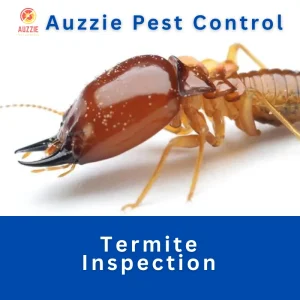
Let’s use termites as an example. A homeowner might spray visible termites and assume the problem is solved. Meanwhile, the colony continues thriving behind walls or underground. At the same time, professional treatment targets the colony itself.
The same principle applies to:
That doesn’t mean DIY methods are ineffective. For minor issues such as occasional ants, a few wasps around the eaves, or isolated spider activity, DIY control can work very well. But, the bigger and more established the infestation becomes, the greater the advantage shifts toward professional intervention.
Safety Considerations for DIY and Professional Pest Control
Safety deserves serious attention. Many pest control products are safe when used correctly. The challenge is that “correctly” matters. Common DIY mistakes include:
- Overapplying products
- Mixing chemicals
- Applying treatments in food preparation areas
- Ignoring label instructions
Professional technicians receive training on:
- Product selection
- Application rates
- Safety protocols
- Environmental considerations
This training reduces the risk of misuse.
No matter which approach one chooses, following product instructions carefully is essential. Furthermore, households with children or pets require extra caution. Young children explore surfaces with their hands. Pets investigate unfamiliar smells and substances.
Environmental Impact of Pest Control Methods
Environmental responsibility is becoming increasingly important for homeowners. Fortunately, modern pest control has evolved considerably. Many treatment programs now emphasise targeted applications rather than broad chemical exposure.
DIY approaches can be environmentally friendly when focused on: Exclusion – Sanitation – Habitat modification – and Mechanical traps. Problems arise when people overuse products or apply them unnecessarily.
Professional services often use integrated pest management principles. This approach combines:
- Monitoring
- Prevention
- Targeted treatments
- Reduced pesticide reliance
The goal is effective control with minimal environmental impact.
When DIY Pest Control Is the Better Choice
There are plenty of situations where DIY makes perfect sense. Consider DIY control when:
- You have a small ant problem
- You spotted one mouse recently
- Spider activity is minimal
- The infestation appears isolated
- You enjoy home maintenance projects
DIY also works well for preventative measures, such as:
- Sealing cracks
- Cleaning regularly
- Installing door sweeps
- Removing standing water
In these situations, homeowners can often achieve excellent results without professional assistance. The key is recognising the limits of what DIY methods can realistically accomplish.
When Professional Pest Control Is the Better Choice
Certain pests practically scream for professional help. Examples include:
- Termites
- Bed bugs
- Large cockroach infestations
- Widespread rodent activity
- Stinging insect nests in dangerous locations
Professional treatment is also advisable when:
- DIY efforts have failed
- Infestations keep returning
- Property damage is occurring
- Health concerns exist
- Multiple pest issues are present simultaneously
Sometimes the fastest route to resolution is calling an expert immediately.
Common Mistakes Homeowners Make With DIY Pest Control
I see the same mistakes repeatedly.
Using Too Much Product – Many people assume more product equals better results. More often than not, it doesn’t. Overapplication can reduce effectiveness and increase risks.
Ignoring Entry Points – Killing pests without sealing access routes often leads to reinfestation.
Choosing the Wrong Product – Different pests require different solutions. A treatment effective for ants may do little against cockroaches.
Stopping Too Soon – One of the biggest mistakes people make. As activity decreases, homeowners relax, and surviving pests rebuild the population.
Remember, consistency matters most.
How to Choose the Right Pest Control Solution
The answer to the above question is hidden inside several different questions.
Q. How severe is the problem?
Q. How confident are you in identifying the pest?
Q. Have you already tried DIY methods?
Q. Is property damage occurring?
Q. Are children, pets, or health concerns involved?
If the issue is small and clearly identified, DIY may be worth attempting. If uncertainty exists, professional guidance often saves time and frustration.
Remember, there’s no shame in calling an expert. Most people don’t repair their own electrical systems or diagnose their own plumbing problems. Pest management can be just as specialised.
DIY and Professional Pest Control for Different Types of Pests
Different pests require different approaches.
Ants – Small ant issues often respond well to DIY baiting programs.
Spiders – Basic exclusion and cleaning measures can significantly reduce activity.
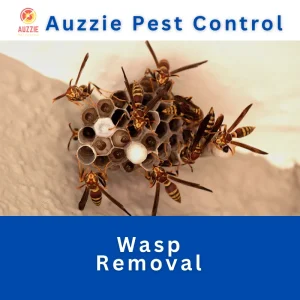
Wasps – Small accessible nests may be manageable, but large or difficult-to-reach nests are safer for professionals.
Rodents – DIY traps can work for isolated mice. Larger infestations often require professional exclusion work.
Cockroaches – Minor activity may respond to gel baits. Established infestations frequently benefit from professional treatment.
Bed Bugs – Professional intervention is usually the best option due to their ability to hide and spread.
Termites – This is one pest where professional treatment is strongly recommended. Colony elimination requires specialised expertise.
Preventing Future Pest Infestations
The best pest control strategy is preventing problems before they start. Focus on simple maintenance habits.
- Seal exterior cracks
- Repair leaking pipes
- Store food properly
- Clean up crumbs promptly
- Remove standing water
- Trim vegetation away from structures
- Store firewood away from the home
- Keep garbage containers closed
Routine inspections also help. Walk around your property every few months and look for changes. Small issues are easier to address than major infestations.
Remember, prevention doesn’t require perfection. It simply requires consistency.
Frequently Asked Questions About DIY vs. Professional Pest Control
Is DIY pest control cheaper?
Usually, yes—at least initially. However, repeated product purchases and unresolved infestations can increase overall costs over time.
How do I know if my infestation is serious?
Seeing pests during daylight hours, finding droppings, discovering nests, or noticing property damage often indicates a larger problem.
Can I combine DIY methods with professional treatment?
Absolutely. Many homeowners maintain good sanitation, exclusion, and monitoring practices while using professional services for major infestations.
How often should pest control treatments be performed?
The answer depends on the pest, property conditions, and local environment. Some homes benefit from annual inspections, while others require more frequent monitoring.
Conclusion: DIY vs. Professional Pest Control—Which Is Better?
So, what’s the verdict? Well, neither option wins every time.
DIY pest control is often a smart choice for minor problems, preventative maintenance, and homeowners who enjoy handling projects themselves. It’s affordable, accessible, and can be very effective when used correctly.
Professional pest control shines when infestations become established, recurring, difficult to identify, or capable of causing property damage. The expertise, tools, and long-term strategies professionals provide often deliver results that are difficult to achieve through DIY methods alone.
The best approach isn’t choosing sides. It’s choosing the right solution for the specific problem you’re facing. Sometimes that means setting a few traps and sealing a crack. Sometimes it means bringing in a trained technician. Either way, the sooner you address a pest problem, the easier—and often less expensive—it is to solve. A proactive mindset will always outperform waiting and hoping the pests disappear on their own.
For one looking for professional pest control in Brisbane or nearby area – Auzzie Pest Control is best in its service