


One-Time vs. Recurring Pest Control Services: Which Is Better?
Understanding One-Time and Recurring Pest Control Services
You find a cockroach in the kitchen at 2 a.m. A few days later, there are three. Then ants show up around the dishwasher. Then a spider drops from the ceiling while you’re watching TV. And suddenly you’re searching online and asking the same question thousands of homeowners ask every year:
“Do I really need an ongoing pest control plan, or can someone just come out once and fix this?”
Honestly, it’s a fair question. Nobody wants to spend money unnecessarily. Most people aren’t looking for another monthly bill. They simply want the pests gone.
After spending years in the pest control industry, I’ve learned that there isn’t a one-size-fits-all answer. Some pest problems truly can be handled with a single service visit. Others come back again and again because the source of the problem never disappears. And that’s where understanding the difference between one-time pest control and recurring pest control becomes important.
A one-time service focuses on solving a current problem. The technician performs an inspection, treats the infestation, and leaves. You pay once and call again only if another issue appears later.
A recurring service plan focuses on prevention. Instead of waiting for pests to become visible, technicians maintain protective barriers and monitor conditions throughout the year.
Neither option is automatically better. The right choice depends on:
- The type of pest
- The age of the property
- Local pest pressure
- Your budget
- Your tolerance for risk
- Previous infestation history
The biggest mistake homeowners make is assuming all pests behave the same way, but that’s not the case. A wasp nest and a German cockroach infestation are completely different situations. One may require a single targeted treatment. The other may require ongoing management because of how quickly the pest reproduces. Understanding this difference can save one hundreds—or sometimes thousands—of dollars over time.
How One-Time Pest Control Services Work
Many homeowners imagine a one-time treatment as a technician spraying around the house for twenty minutes and driving away. But in truth, A professional service is much more involved than that.
The goal of a one-time treatment is to deliver a concentrated response to an existing pest issue. Think of it as a targeted strike. The technician’s first task is usually inspection. Before any product is applied, a good technician identifies:
- Pest species
- Nest locations
- Entry points
- Food sources
- Moisture sources
- Harborage areas
This matters because treating ants requires a different approach than treating rodents, spiders, fleas, or cockroaches.
Once the inspection is complete, treatment begins. Depending on the pest involved, this may include:
- Residual insecticide applications
- Crack-and-crevice treatments
- Gel bait placement
- Dust applications inside wall voids
- Rodent trapping
- Rodent bait station installation
- Physical nest removal
- Exclusion recommendations
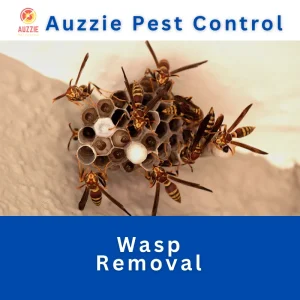
For example, if a customer calls about a wasp nest attached to a roof eave, the process may involve treating the nest directly, removing it, and checking nearby areas for secondary nests.
If the issue involves German cockroaches, the service becomes much more detailed. Technicians may place gel bait behind refrigerators, inside cabinet hinges, under sinks, and near plumbing penetrations where roaches hide during daylight hours.
The treatment itself is usually more intensive than what occurs during a maintenance visit because there are no future scheduled visits planned.
Here’s something many people don’t realise. Modern pesticides don’t last forever. And that’s intentional. In 2026, many professional products are designed to break down gradually to reduce environmental impact. Sunlight, rainfall, irrigation, temperature fluctuations, and microbial activity in soil all contribute to product degradation.
Most exterior residual insecticides remain highly effective for approximately:
- 30–60 days in harsh weather
- 60–90 days in moderate conditions
This is the reason why many one-time services include warranties ranging from 30 to 90 days. The warranty period often aligns with the expected lifespan of the treatment. After that protection fades, new pests can enter the property and begin the cycle again.
How Recurring Pest Control Services Work
Recurring pest control is built around a completely different philosophy. Instead of reacting to pests after they’re already inside the home, the goal is to reduce the likelihood of infestations developing in the first place.
Modern recurring programs rely heavily on Integrated Pest Management (IPM). IPM is an approach that combines multiple strategies rather than relying solely on chemical treatments. These strategies often include:
- Monitoring
- Inspection
- Habitat modification
- Exclusion work
- Mechanical controls
- Targeted pesticide use
- Ongoing prevention
Think of recurring pest control the same way you think about routine maintenance on a vehicle. You don’t wait for the engine to fail before changing the oil. The same principle applies to pest management. Most recurring plans operate on quarterly or bi-monthly schedules because of how modern pest products behave in real-world conditions.
Spring Service
Spring is when many insect populations begin expanding rapidly. Ant colonies become active. Spider populations increase. Wasps begin scouting locations for future nests. During spring visits, technicians often focus on:
- Foundation treatments
- Nest prevention
- Exterior crack inspections
- Early-season monitoring
Summer Service
Summer usually brings peak insect activity. Warm temperatures accelerate insect reproduction cycles. A single ant colony can increase dramatically during this period. Summer services often target:
- Ant infestations
- Cockroach activity
- Mosquito breeding areas
- Outdoor perimeter protection
- Wasp development
Fall Service
As temperatures drop, many pests begin searching for shelter. This is when rodents often become a concern. Fall services typically focus on:
- Rodent exclusion
- Entry-point sealing
- Exterior barrier reinforcement
- Monitoring stations
Winter Service
Many homeowners assume pest activity stops completely in winter. But it doesn’t. Pests simply move indoors. Winter visits often include:
- Monitoring bait stations
- Interior inspections
- Moisture assessments
- Preventive maintenance
One reason recurring visits occur every few months is that modern eco-friendly residual products naturally lose effectiveness over time. The treatment barrier that works beautifully in April won’t maintain the same strength indefinitely.
Recurring service replenishes those protective zones before pest pressure builds again. This proactive approach is the foundation of modern pest management.
Key Differences Between One-Time and Recurring Pest Control
When homeowners compare the two options, they often focus only on price, which is understandable. But price is only one piece of the puzzle. The bigger differences involve protection, coverage, warranties, and overall strategy.
- Scope of Target Pests: A one-time service is usually designed to address a specific problem. Like:
- A wasp nest above a garage
- A mouse in the attic
- An ant trail in the kitchen
- A localised flea issue
The technician focuses heavily on the pest one called about.
Recurring plans are broader. Most recurring programs cover a wide range of common household pests throughout the year. That often includes:
- Ants
- Spiders
- Earwigs
- Silverfish
- Cockroaches
- Wasps
- Rodents
- Centipedes
- Millipedes
Instead of solving one issue, recurring service aims to reduce overall pest pressure around the property.
- Length of Protection — Biggest practical differentiator: A one-time service addresses today’s infestation. A recurring service addresses today’s infestation and works to prevent tomorrows.
Protection gradually weakens as treatment products break down naturally over time. Recurring service helps maintain that protection consistently. - Warranty and Service Guarantees: Most one-time treatments come with limited warranties. Typical coverage ranges from:
- 30 days
- 60 days
- 90 days
Once the warranty expires, future visits usually involve additional charges. Recurring plans often include:
- Free retreatments
- Service calls between scheduled visits
- Ongoing inspections
- Continuous monitoring
- Reactive vs. Proactive Thinking:
One-time service is reactive. A problem appears. You call. The technician treats it.
Recurring service is proactive. The goal is to prevent pests from becoming established in the first place.
Note, neither approach is wrong. They simply solve different problems.
Benefits of One-Time Pest Control Services
One-time treatments remain popular for good reasons. There are situations where they make perfect sense.
Lower Upfront Investment: The most obvious benefit. You pay once. There is no contract, no monthly billing, and no long-term commitment. For homeowners dealing with an isolated issue, that simplicity is attractive.
Excellent for Single Events: Some pest situations are naturally one-time problems. Various examples include:
- A single wasp nest
- Hornet removal
- Localised bee removal
- Occasional invader insects
- One rodent entering through an open garage
In cases like these, recurring protection may not be necessary.
Useful During Property Transitions: Many customers schedule one-time treatments before:
- Moving into a home
- Selling a property
- Renting out a property
- Completing renovations
The treatment provides a clean starting point without creating ongoing obligations.
Greater Flexibility: Some homeowners simply prefer calling when they need help. If a property rarely experiences pest activity, a one-time approach can be perfectly reasonable. I’ve worked with customers who only require service every few years. A recurring plan would probably be unnecessary for them.
Benefits of Recurring Pest Control Services
Recurring service shines when pests are persistent. And that is the case with many pests. They are very persistent.
Continuous Protective Barriers: Every service visit reinforces the previous one. Over time, the property becomes less attractive and less accessible to pests. Think of it like maintaining a fence. Repairing small weaknesses regularly is easier than rebuilding the entire structure after it fails.
Reduced Infestation Risk: In other words “Prevention”. Technicians often discover problems before homeowners notice them.
I’ve found:
- Rodent entry points
- Early ant colonies
- Developing wasp nests
- Moisture issues
- Cockroach activity
long before they became major infestations.
Free Re-Treatments: Many recurring programs include additional service calls at no extra charge. This benefit alone offsets much of the annual cost. Without a plan, every return visit usually generates another invoice.
Compounding Protection: If someone asks me what biggest benefit of Recurring Pest Control Service. I would name “Compounding”. (Yeah, Just like ‘Compounding Interest!’)
This is something homeowners rarely think about. Pest control often becomes more effective over time. Repeated monitoring, ongoing exclusion work, and maintained treatment barriers gradually reduce pest populations around the property. As a result, there are fewer infestations and fewer surprises.
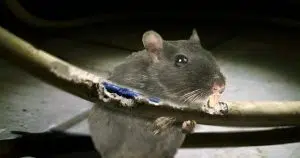
Protection of Property Value: Certain pests do more than create inconvenience. Carpenter ants damage wood. Rodents chew electrical wiring. Cockroaches contaminate food storage areas.
Recurring service helps reduce the likelihood of these costly problems developing.
Cost Comparison Between One-Time and Recurring Services
Let’s talk about actual numbers. But before that, remember, Pricing varies by region, company, and property size, but these are realistic 2026 averages.
One-Time Service Costs: General pest treatments often range between: $200–$600 per visit
Specialized services may cost more. Examples include:
- Heavy cockroach infestations
- Rodent cleanouts
- Flea treatments
- Bed bug services
- Large wasp nest removals
Those situations can exceed $1,000.
One reason one-time treatments cost more per visit is that technicians often spend additional time inspecting, diagnosing, and performing intensive treatment work.
Recurring Service Costs: Most recurring plans fall into one of two categories:
Monthly Plans
$40–$90 per month
Quarterly Plans
$120–$250 per visit
While the annual total is higher, each service visit is usually less expensive because the property is being maintained rather than reset from scratch.
Realistic Annual Comparison: Imagine a homeowner dealing with recurring ants and spiders.
Option A: One-Time Services
Spring treatment: $350
Summer retreatment: $300
Fall service: $350
Additional call-back: $250
Annual Total: $1,250
Option B: Quarterly Plan
Four visits at $175 each
Free retreatments included
Annual Total: $700
Will recurring service always save money? No.
But for homes with repeated pest activity, it often provides better value over twelve months.
Choosing the Right Option for Your Pest Problem
Here’s the framework I usually share with customers.
One-Time Service May Be Best If:
- You have a single wasp nest
- Pest activity is rare
- You’re moving into a property
- You’re preparing a property for sale
- The issue appears isolated
- You prefer paying only when needed
Recurring Service May Be Best If:
- Ants return every year
- Spiders are a constant issue
- Rodents appear seasonally
- Multiple pest species are present
- Your property borders woods or fields
- You manage rental properties
Pest-by-Pest Decision Guide:
Often Suitable for One-Time Treatment
- Wasp nests
- Hornet nests
- Localized bee removal
- Occasional invader insects
Often Better for Recurring Protection
- Ants • Rodents
- Cockroaches • Silverfish
- Spiders • Earwigs
- Centipedes
Special Cases:
Bed bugs deserve their own category. Bed bug elimination is usually not part of recurring maintenance programs. However, successful bed bug treatment often requires multiple visits, inspections, and follow-up monitoring.
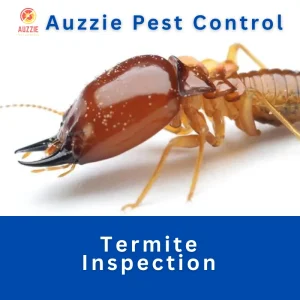
Termites are similar. They generally require specialized treatment plans and monitoring systems separate from standard pest control programs.
Frequently Asked Questions
Does a one-time service actually guarantee the bugs won’t come back?
No honest pest control company should make that promise. A treatment can eliminate the current infestation, but it cannot stop new pests from arriving months later if conditions remain favourable.
Why do I see more bugs right after a recurring service starts?
This happens more often than people expect. Many treatments disrupt hiding areas and nesting locations. Pests become more active and visible before populations begin declining. Seeing increased activity immediately after treatment does not automatically mean the service failed.
Can I cancel a recurring contract early without penalties?
It depends on the provider. Some companies offer month-to-month agreements with no cancellation fees. Others require annual commitments. Always read the service agreement carefully before signing.
Are recurring treatments safer than older pest control methods?
Generally, yes. Modern pest management relies heavily on targeted applications, reduced-risk products, bait systems, and Integrated Pest Management strategies that minimise unnecessary pesticide use while maintaining effectiveness.
Conclusion: Which Pest Control Service Is Better?
The honest answer isn’t exciting. It depends.
A homeowner dealing with a single wasp nest probably doesn’t need year-round service. A property that battles ants every spring, spiders every summer, and rodents every fall may benefit enormously from ongoing protection.
Neither option is universally better. The right choice comes down to your property’s history, local pest pressure, budget, and personal comfort level.
If pests rarely appear, a one-time service may be all you ever need. If you’re calling pest control multiple times each year for the same recurring problems, a seasonal protection plan often becomes the smarter long-term investment.
Take a look at the pest issues you’ve experienced over the last twelve months. Patterns tend to tell the story.
A good pest professional should help you evaluate those patterns honestly and recommend the solution that fits your situation—not simply the one that costs the most. Auzzie Pest Control might come to your rescue for this.