


Are Pest Control Services Safe for Families and Pets?
Introduction
If you’ve been putting off pest control because you’re worried about your kids or pets, you’re not alone. It’s one of the most common concerns homeowners have, and it’s a completely reasonable one. After all, your home should be a place where your family feels safe, not somewhere you have to worry about chemical exposure.
The good news is that professional pest control has come a long way. Today’s treatments are designed to eliminate pests while keeping people and pets protected. Licensed technicians use carefully selected products, apply them only where they’re needed, and follow strict label instructions that are backed by years of testing and regulation. Instead of spraying every corner of the house, modern pest control focuses on targeted treatments that solve the problem with as little product as possible.
Like any household product, pest control treatments should be used responsibly. Following your technician’s preparation and post-treatment instructions makes a big difference. In this guide, we’ll explain how professional pest control works, what precautions keep families safe, and what you can do before and after treatment to enjoy a pest-free home with confidence.
Are Pest Control Services Safe?
Yes. When performed by a licensed professional and paired with the recommended safety instructions, pest control services are considered safe for families and pets.
Many people picture the heavy chemical spraying that was common decades ago, but that’s no longer how most professional companies operate. Today’s technicians identify the specific pest, inspect where it’s living, and treat only the areas that need attention.
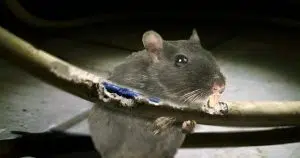
For example, ants entering through a crack near a patio door may require a targeted exterior treatment rather than spraying the entire house. Cockroaches hiding beneath kitchen cabinets are often controlled with hidden gel baits instead of widespread surface applications. Rodent problems are usually handled with traps, exclusion work, and secure bait stations placed in protected locations.
Professional products are also tested for their intended use before they reach the market. The biggest advantage of hiring an expert isn’t simply having access to professional-grade products—it’s knowing exactly where, when, and how to apply them safely.
How Modern Pest Control Services Prioritise Safety
Professional pest control is built around prevention just as much as treatment. Most reputable companies follow Integrated Pest Management (IPM), an approach that focuses on solving the source of the infestation rather than relying on repeated pesticide applications.
The process starts with a detailed inspection. A technician looks for food sources, moisture problems, entry points, nesting areas, and conditions that allow pests to thrive. A leaking pipe attracting cockroaches or a gap beneath a garage door allowing mice inside can often be addressed alongside treatment.
When pesticides are necessary, they’re applied carefully to cracks, crevices, wall voids, foundations, and other areas where pests travel instead of surfaces people touch every day.
Licensed technicians also receive ongoing training in product handling, equipment calibration, and application techniques. They follow label directions precisely because using more product doesn’t mean better results—it only increases unnecessary exposure.
Before treatment begins, a good technician explains what will be treated, how long you should stay away if needed, and when children and pets can safely return. Clear communication is an important part of every safe service.
Are Pest Control Services Safe for Children?
Young children naturally spend more time on floors, touch almost everything around them, and frequently put their hands in their mouths. That’s why parents often have extra concerns about pest control treatments.
Professional companies account for these behaviours when planning a service. Products are usually placed in areas children cannot easily reach, such as behind appliances, inside wall voids, beneath sinks, or along hidden cracks where insects travel.
For liquid treatments, families are generally asked to stay out of treated areas until everything has dried completely. Once dry, products are much less likely to transfer during normal household activity.
Parents can also help by picking up toys, storing stuffed animals, removing play mats if necessary, and keeping children away from treatment areas until the technician says it’s safe to return.
NOTE: It’s also worth remembering that many pests create health risks of their own. Cockroaches can worsen asthma symptoms, rodents contaminate food, and fleas or mosquitoes can spread disease. Eliminating those pests often improves the overall health of your home.
Are Pest Control Services Safe for Pets?
Pets explore the world with their noses and mouths, so they deserve the same attention as children during pest control treatment.
Dogs and cats should remain away from treatment areas while products are being applied and until they’re fully dry. Food bowls, water dishes, toys, and bedding should also be removed beforehand and returned only after your technician gives the all-clear.
Birds, fish, reptiles, and other small animals require additional precautions because many are more sensitive to airborne particles or environmental changes. Aquariums may need to be covered, air pumps temporarily turned off if recommended, and cages moved to another room during treatment.
Always tell your pest control company about every pet in your home before the appointment. That allows the technician to adjust the treatment plan if needed and provide instructions specific to your household. A reputable company won’t use a one-size-fits-all approach. They’ll explain exactly what precautions are appropriate based on the products being used and the animals you have.
Types of Pest Control Treatments and Their Safety
Different pest problems require different solutions, and understanding those options often helps homeowners feel more comfortable.
Liquid treatments are commonly applied around foundations, entry points, and targeted indoor cracks where insects hide. They’re not intended to coat entire living spaces.
Gel baits are one of the safest and most effective tools for ants and cockroaches. Tiny amounts are placed inside hidden cracks, cabinet hinges, behind appliances, or inside wall spaces where pests find them but children and pets normally cannot.
Traps provide another low-exposure option, especially for rodents. Snap traps, monitoring traps, and tamper-resistant bait stations help control infestations without widespread pesticide use inside the home.
Dust formulations are reserved for enclosed spaces like attics, crawl spaces, wall voids, and electrical penetrations. Because they’re applied inside inaccessible areas, they continue working without interfering with everyday household activities.
The safest treatment is the one that’s selected specifically for your pest problem and applied precisely where it’s needed.
How to Prepare Your Home Before Pest Control Treatment
Preparing your home ahead of time helps technicians work efficiently while reducing unnecessary exposure.
Clear clutter from along baseboards, under sinks, and around areas where pest activity has been noticed. This gives technicians access to cracks, crevices, and entry points that might otherwise be hidden.
Store exposed food, pet treats, and kitchen utensils if instructed. Wipe down countertops, clean up crumbs, and empty overflowing trash bins that may attract insects.
Pick up children’s toys, pet toys, blankets, and other items from treatment areas. Remove pet food and water bowls before service begins.
If outdoor treatment is planned, move children’s outdoor toys, trim vegetation touching the house, and clear debris from around the foundation.
Finally, ask questions before treatment starts. Knowing which areas will be treated, whether you need to leave temporarily, and when it’s safe to return helps you feel prepared and allows your technician to address any concerns before work begins.
What to Do After Pest Control Treatment
Once the treatment is complete, following your technician’s instructions is just as important as preparing beforehand. These recommendations help the products work as intended while reducing unnecessary contact.
If you’ve been asked to leave your home during treatment, wait until the recommended re-entry time has passed. For many services, this is around two to four hours, though the exact timing depends on the products used and the type of treatment performed.
When you return, open windows if your technician recommends additional ventilation. A mild odour doesn’t necessarily mean the treatment is unsafe, but fresh air can make your home more comfortable.
Avoid mopping treated baseboards, wiping treated cracks, or pressure-washing outdoor barriers immediately after service. Removing products too soon can reduce their effectiveness and allow pests to return more quickly. Continue your normal cleaning routine in untreated areas, but leave treated locations alone for the period recommended by your technician.
You can also help prevent future infestations by fixing leaks, storing food in sealed containers, taking out the trash regularly, and sealing small gaps around doors, windows, and utility lines.
Common Safety Mistakes to Avoid
Most pest control treatments work exactly as intended when homeowners follow the instructions they receive. Problems are more likely to occur when people try to “improve” the treatment on their own.
One common mistake is using over-the-counter bug sprays immediately before or after a professional service. Mixing products can interfere with the treatment plan and, in some cases, create unnecessary exposure.
Another mistake is allowing children or pets into treated areas before the recommended waiting period has ended. Even if everything looks dry, it’s always best to follow your technician’s guidance.
Some homeowners also replace pet bowls, toys, or food containers before cleaning or inspecting them after treatment. Taking a few extra minutes to wipe these items down can provide additional peace of mind.
Finally, don’t ignore preparation instructions. Leaving clutter against walls or blocking access to problem areas may prevent technicians from treating the locations where pests are actually hiding.
Eco-Friendly and Low-Toxicity Pest Control Options
Many homeowners today prefer treatments that reduce pesticide use whenever possible. Fortunately, modern pest control offers several lower-toxicity options without sacrificing effectiveness.
Integrated Pest Management is one of the best examples. By combining inspection, sanitation, moisture control, exclusion, and targeted treatments, technicians often reduce the amount of pesticide needed to solve the problem.
Some situations may also benefit from products made with botanical ingredients or naturally derived compounds. Certain treatments use plant-based oils or pyrethrins, which originate from chrysanthemum flowers, while others rely on borate-based products that help protect wood from termites and other wood-destroying insects.
Mechanical methods also play an important role. Sealing cracks around doors and windows, repairing damaged screens, installing door sweeps, trimming vegetation away from the home, and removing standing water can dramatically reduce pest activity without relying solely on chemical treatments.
If environmentally conscious solutions are important to you, let your pest control provider know during the inspection. A reputable company can explain which low-toxicity or reduced-pesticide options are suitable for your specific pest problem.
How to Choose a Safe and Reliable Pest Control Company
Not every pest control company provides the same level of service, so choosing the right one matters.
Start by confirming that the company is properly licensed and insured according to your local regulations. Licensed technicians receive training in product selection, safe application practices, and pest identification.
Ask what type of treatment they recommend and why. A trustworthy professional should be able to explain the pest problem, describe where products will be applied, and answer your questions in plain language instead of relying on technical jargon.
It’s also reasonable to ask whether Safety Data Sheets (SDS) are available for the products being used. A reputable company should have no problem providing safety information and explaining any precautions you should follow before or after treatment.
Finally, pay attention to communication. Companies that take time to inspect your home, discuss your concerns, and customise a treatment plan are usually a better choice than those offering quick, one-size-fits-all solutions.
For those looking around Brisbane, services provided by us – Auzzie Pest Control are the best.
Warning Signs to Watch for After Treatment
Problems after professional pest control are uncommon, but it’s still good to know what to watch for.
A light odour immediately after treatment can be normal, especially if liquid products were applied. However, if you notice a strong chemical smell that doesn’t fade, contact the pest control company for advice.
Watch for unexpected symptoms such as persistent skin irritation, unusual eye irritation, or breathing discomfort after returning to treated areas. If a family member experiences severe symptoms, seek medical attention promptly.
Keep an eye on your pets as well. If a dog or cat becomes unusually lethargic, vomits repeatedly, drools excessively, or behaves in a way that’s clearly out of character, contact your veterinarian right away and let them know a recent pest control treatment was performed.
Most reputable companies are happy to answer follow-up questions, explain what was applied, and help determine whether your concerns are related to the treatment or another cause.
Frequently Asked Questions About Pest Control Safety
Can I stay home during pest control treatment?
It depends on the type of service being performed. Some inspections and bait placements don’t require you to leave, while certain spray treatments may require a temporary absence. Your technician will explain what’s appropriate for your situation.
Is the smell from pest control dangerous?
Not necessarily. Some products have a mild odour, while others are nearly odourless. A temporary smell doesn’t automatically indicate a safety problem. If the odour is unusually strong or lasts much longer than expected, contact your pest control provider.
How long should I wait before letting my dog back into the yard?
For most outdoor treatments, pets should stay off treated areas until the application has completely dried. Your technician will provide a specific timeframe based on the products used and current weather conditions.
Should I clean my house immediately after treatment?
Clean your home as you normally would, but avoid scrubbing treated baseboards, cracks, or other application areas until your technician says it’s appropriate. Removing products too early can reduce their effectiveness.
Are professional treatments safer than DIY products?
In many cases, yes. Licensed professionals know which products to use, how much to apply, and where they belong. DIY applications are more likely to involve overuse, incorrect placement, or treating areas that don’t actually need it.
Conclusion
It’s completely natural to have questions about pest control when you have children, pets, or both. The encouraging news is that today’s professional pest control services are designed with safety as a top priority. Through targeted treatments, careful product selection, and responsible application methods, licensed technicians can eliminate pests while helping protect the people and animals who matter most.
Your role is just as important. Choosing a qualified pest control company, sharing information about your household, and following preparation and post-treatment instructions all contribute to a safe and successful service.
If you’re still unsure about a recommended treatment, don’t hesitate to ask questions. A trustworthy pest control professional will take the time to explain the process, discuss safety precautions, and help you feel confident before any work begins. Peace of mind comes from knowing your home is protected—not only from unwanted pests but also with your family’s well-being at the center of every treatment plan.
Contact us at Auzzie Pest Control – for any queries or services.