


Common Causes of Rat Infestations in Homes
Introduction
Few things make a homeowner’s stomach drop faster than hearing scratching inside the walls after dark. At first, you tell yourself it’s probably the house settling or a tree branch brushing against the roof. Then you hear it again. Scratch. Scurry. Silence. That’s usually when the worry sets in.
If you’ve found yourself in this situation, don’t panic. A rat infestation doesn’t automatically mean your home is dirty or poorly maintained. In fact, rats regularly invade spotless homes, luxury properties, and newly built houses. They’re simply looking for a safe place to survive.
The good news? Understanding why rats choose a home is often the biggest step toward keeping them out. Like any wild animal, they’re driven by basic needs rather than personal preference. If your property offers food, water, shelter, and an easy way inside, they’ll take advantage of the opportunity.
In this guide, we’ll walk through the most common reasons rats invade homes, the warning signs to watch for, and practical ways to make your property far less appealing before a small problem turns into a full-blown infestation.
Why Rats Invade Homes
Rats aren’t wandering around neighbourhoods looking for the “perfect” house. They’re simply trying to stay alive. Every day, they search for three essentials: food, water, and shelter. A home checks all three boxes surprisingly well. It stays warmer than the outdoors, protects them from predators, and often provides an endless supply of things to eat.
Weather also plays a role. During cold weather, rats look for insulated spaces where they can nest and breed. During extremely hot summers, they move indoors searching for cooler areas and dependable water sources.
Different species have slightly different habits. Roof rats prefer elevated locations such as attics, roof voids, and trees. They’re excellent climbers and often enter through the roofline. Norway rats, on the other hand, spend more time at ground level. They commonly burrow beneath sheds, crawl spaces, decks, and foundations before finding a way indoors.
Regardless of the species, the goal is the same: find a place that’s safe, comfortable, and close to daily necessities.
Easy Access to Food S ources
Food is one of the strongest reasons rats settle inside a home. The surprising part is that they don’t need large meals. Small amounts of food left behind each day are often enough to support an entire colony.
Your kitchen is usually the first place they investigate. Crumbs beneath the stove, grease buildup behind the oven, unsealed cereal boxes in the pantry, bags of rice with tiny tears, fruit sitting on the countertop, or dirty dishes left overnight all become easy feeding opportunities.
Pantries deserve special attention. Rats can chew through paper, thin plastic, and cardboard with little effort. Pet treats, birdseed, flour, pasta, and cereal stored in their original packaging are all vulnerable.
Outside, the buffet continues. Grease left on barbecue grill plates, fallen fruit beneath backyard trees, vegetable gardens, and even dog poop in the yard can attract rodents. While it may sound surprising, rats are opportunistic feeders and will eat almost anything that provides calories.
Reminder: Keeping food sealed in sturdy containers and cleaning up spills quickly removes one of the biggest incentives for rats to stick around.
Water Availability Attracts Rats
Unlike mice, rats need regular access to water. That’s why even a small plumbing leak can become a major attraction. And this is the reason: beneath kitchen and bathroom sinks are one of the first places technicians inspect. A slow drip from a supply line may not seem like much, but it creates a dependable drinking source day after day.
Other common problem areas include leaking dishwasher hoses, washing machine connections, dripping refrigerator water lines, and HVAC condensate drains that never fully dry.
Outside, water can collect almost anywhere. A leaking garden hose spigot, clogged gutters holding rainwater, birdbaths that aren’t cleaned regularly, or low spots in the yard where water pools after a storm all make your property more inviting.
Don’t forget about pet water bowls. Leaving a bowl outside overnight gives rats both food opportunities and fresh water in one convenient location. Fixing leaks promptly doesn’t just reduce your water bill. It removes one of the key resources rodents depend on for survival.
Clutter and Hidden Nesting Areas
Rats love clutter because clutter makes them feel safe. Open spaces expose them to predators. Tight, undisturbed hiding places let them build nests, raise young, and travel without being noticed.
Garages are one of the most common nesting locations. Cardboard boxes filled with holiday decorations, stacks of old newspapers, unused furniture, and piles of clothing create perfect hiding places. Since cardboard also provides nesting material, rats often shred it to line their nests.
Basements, crawl spaces, and storage rooms present similar opportunities. Closets packed floor to ceiling leave countless protected pathways where rodents can move unseen.
Even outdoor clutter contributes to the problem. Piles of unused flowerpots, stacked lumber, abandoned building materials, and storage bins pushed against exterior walls provide shelter only a few feet from your home.
Remember, Reducing clutter doesn’t guarantee rats will stay away, but it removes many of the secure hiding places they depend on after getting inside.
Unsealed Entry Points Around the Home
Rats don’t need an open door to invade a house. They only need a surprisingly small opening. An adult rat can squeeze through a gap roughly the size of a quarter if its head fits through first. Young rats need even less space.
Some of the most common entry points are easy to overlook. Gaps around utility pipes, electrical cables, gas lines, and air-conditioning penetrations often leave enough room for rodents to enter. Loose foundation vents, damaged crawl space screens, worn door sweeps, and separated siding panels create additional access points.
Brick homes aren’t immune either. Weep holes in brickwork are necessary for drainage, but without proper rodent-resistant covers, they may become entry routes.
Roof rats frequently use overhanging branches to reach the roof before slipping through damaged roof vents, loose soffits, or openings around chimneys. Norway rats are more likely to exploit ground-level gaps around foundations or garages.
A careful exterior inspection often reveals several potential entry points homeowners never realised existed.
Poor Waste Management Practices
Your garbage can tells rats exactly where dinner is. Outdoor trash bins with loose-fitting lids are one of the biggest attractants around a home. Once rats discover a reliable food source, they’ll continue returning night after night.
Plastic garbage bags left beside the bin are another common mistake. Rats can tear through thin bags quickly, scattering food scraps and creating an even stronger food scent around your property.
Many homeowners also forget to clean their trash cans. Even after collection day, grease, food residue, and spilt liquids remain inside the container, producing odour that rodents can detect from surprisingly long distances.
Compost piles deserve attention as well. Composting is excellent for the garden, but adding meat, dairy products, greasy leftovers, or cooked food scraps can attract rats instead of enriching your soil.
Simple habits make a noticeable difference: keep lids tightly closed, rinse trash bins occasionally, bag waste securely, and place garbage out only when necessary instead of leaving overflowing bags outside for days.
Overgrown Yards and Outdoor Vegetation
Your yard can act like a highway leading straight to your house. Tall grass gives rats cover as they move across the property. Thick shrubs planted against exterior walls hide entry points while allowing rodents to travel unnoticed.
Overgrown ivy climbing brick walls is another favourite. It provides both shelter and an easy climbing route for roof rats heading toward the attic.
Tree branches touching the roofline are especially risky. Roof rats are excellent climbers and can travel from tree limbs directly onto your roof in seconds. Once there, they’ll begin searching for loose shingles, attic vents, or small openings around the eaves.
Firewood stacked directly against house siding creates another inviting hiding place. The same goes for mulch piled too deeply against foundations, dense groundcover plants, and unused landscaping materials left in the yard.
Weather and Seasonal Changes
Rats don’t suddenly appear when the weather changes. They’ve usually been living nearby all along. What changes is where they choose to spend their time.
Autumn is one of the busiest seasons for rodent activity. As temperatures begin to drop, rats start searching for warm, sheltered places where they can survive the winter and raise their young. Your attic, garage, crawl space, or wall void offers far more protection than a burrow exposed to cold winds and heavy rain.
Winter brings another challenge: food becomes harder to find outdoors. That makes kitchens, pantries, garbage bins, and pet food even more attractive.
Hot weather can have the same effect. During long summer heat waves, rats seek cooler hiding places and dependable water sources. A shaded crawl space with a dripping pipe or a cool basement can become the perfect refuge.
Heavy storms and flooding also force rats out of storm drains, burrows, and sewer systems. When their natural shelter disappears, nearby homes often become the next stop.
Note: Because seasonal changes happen every year, rodent prevention shouldn’t be a one-time task. Regular inspections before winter and after major storms can help catch small problems before rats settle in.
Nearby Construction and Environmental Changes
Sometimes, the reason rats show up has nothing to do with your property. Construction projects can dramatically change rodent behaviour.
Roadwork, new housing developments, utility trenching, or clearing an empty lot often destroy established rat burrows. When that happens, the displaced rodents scatter in search of new shelter, and nearby homes are often the easiest option.
Home renovations can have a similar effect. If your neighbour is remodelling, replacing a roof, or tearing out old walls, rats hiding inside those structures may simply move next door.
Demolished sheds, removed wood piles, and even major landscaping projects can disturb long-established nesting sites. The rodents don’t disappear—they relocate. This is why homeowners sometimes experience their first infestation even though they’ve changed nothing on their own property.
If construction begins nearby, it’s a smart idea to inspect your home’s exterior. Check foundation vents, crawl space doors, attic vents, garage seals, and utility penetrations for openings. Sealing vulnerable areas before displaced rodents arrive is much easier than dealing with an established infestation later.
Pet Food and Bird Feeders That Attract Rats
Many homeowners unintentionally feed rats without realising it. Pet food left outside overnight is one of the biggest culprits. Whether it’s dry kibble for a dog, food for outdoor cats, or chicken feed, rats quickly learn where meals are served. Once they discover a dependable source, they’ll return night after night.
Bird feeders create another hidden buffet. Birds naturally scatter seed while feeding, leaving piles on the ground below. Those leftovers attract squirrels, mice, and rats alike.
Storage matters too. Large bags of pet kibble stored in the garage are easy targets if they’re left open or kept in thin plastic packaging. Rats can chew through these materials surprisingly fast.
The solution isn’t giving up your bird feeder or changing your pet’s routine. Bring pet bowls indoors after feeding, sweep up spilt birdseed regularly, and store kibble in sturdy metal or heavy-duty plastic containers with tight-fitting lids.
Remember, small changes like these remove dependable food sources and make your property far less attractive to hungry rodents.
Structural Damage That Allows Rat Entry
Even the smallest maintenance issue can become an invitation for rats. Take a walk around your home and look closely. Do you see rotted roof fascia boards? Cracked foundation walls? Damaged soffits? Loose siding? Worn weather stripping beneath the garage door? These aren’t just maintenance concerns—they’re possible entry points.
Garage doors deserve special attention. A small gap beneath the door may not seem significant, but it’s more than enough for a rat to squeeze through.
Roof damage is another common problem. Missing shingles, broken roof vents, and deteriorating flashing create openings that roof rats can exploit after climbing nearby trees. Crawl spaces should also be inspected regularly. Broken access doors, torn vent screens, and damaged lattice provide easy entry while keeping rodents hidden once they’re inside.
Routine home maintenance does more than protect your property’s value. It also removes the structural weaknesses that rodents actively search for every night.
Signs Your Home May Have a Rat Infestation
Rats usually leave clues long before you actually see one.
One of the first signs is hearing scratching, chewing, or running noises inside walls or above the ceiling after sunset. Rats are mostly nocturnal, so nighttime activity is often much more noticeable.
Droppings are another clear warning. Fresh rat droppings are dark, shiny, and shaped like large grains of rice. They’re commonly found beneath sinks, inside cabinets, near food storage areas, or along garage walls.
Look for greasy smudge marks along baseboards and walls. As rats repeatedly travel the same routes, oils from their fur leave visible streaks.
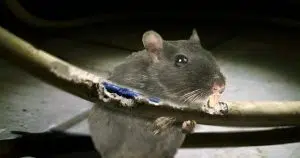
Chewing damage is another giveaway. Rats constantly gnaw to keep their teeth from becoming overgrown. You might notice bite marks on wood, plastic containers, cardboard boxes, or even electrical wiring.
Don’t ignore your pets, either. Dogs and cats often detect rodent activity before people do. If your pet repeatedly stares at a wall, sniffs one cabinet, or scratches at the same section of flooring every evening, it’s worth investigating.
How to Prevent Rat Infestations
The most effective way to deal with rats is to stop them from getting inside in the first place.
Start with exclusion. Seal gaps around pipes, cables, vents, and utility lines using rodent-resistant materials such as galvanised wire mesh, steel wool combined with sealant, or heavy-duty exterior-grade caulk where appropriate. Replace damaged door sweeps and repair broken vent screens.
Next, remove food and water sources. Store pantry items in sealed containers, clean beneath kitchen appliances regularly, repair plumbing leaks, and avoid leaving pet food outdoors overnight.
Keep outdoor vegetation under control by trimming shrubs, cutting back tree branches that touch the roof, and storing firewood at least several feet away from the house.
Finally, reduce clutter indoors and outdoors. Organised storage leaves fewer hiding places and makes it much easier to notice early signs of rodent activity before the population grows. Consistent maintenance always beats emergency pest control.
When to Call a Professional Rat Pest Control Service
A single rat trap may catch one curious rodent, but it rarely solves an established infestation. If rats are breeding inside your walls, attic, crawl space, or garage, there are usually multiple nesting sites and several travel routes. Simply removing one or two animals won’t address the larger population.
Professional pest control technicians begin with a detailed inspection. They identify the species, locate entry points, find nesting areas, and determine why rats are staying on the property.
From there, they build a treatment plan that may include strategic trapping, tamper-resistant bait stations where appropriate, sanitation recommendations, and permanent exclusion work to seal entry points.
Professionals can also spot problems homeowners often miss, such as hidden roof access points, burrows beneath concrete slabs, or utility penetrations concealed behind landscaping.
If you’ve noticed repeated rodent activity, heard scratching for several nights, or continue finding fresh droppings despite setting traps, it’s time to bring in an experienced pest control company – like Auzzie Pest Control.
Frequently Asked Questions
Can rats climb plumbing pipes?
Yes. Rats are excellent climbers and can scale rough brick, wood, utility lines, vines, and some plumbing pipes. Roof rats are especially skilled at climbing and often reach attics by traveling along branches, fences, and exterior utility cables.
How fast do rats multiply?
Very quickly. A female rat can produce several litters each year, with multiple pups in every litter. Under favorable conditions, a small rodent problem can grow into a serious infestation within a few months if left untreated.
Do standard rat traps work?
They can, especially when placed correctly along active travel routes. However, traps alone usually don’t solve infestations if entry points remain open or nesting sites aren’t eliminated.
Will getting a cat solve my rat problem?
Not necessarily. Some cats are excellent hunters, while others ignore rodents completely. Even skilled cats rarely eliminate an established rat population hiding inside walls, attics, or crawl spaces.
Should I worry if I only see one rat?
Yes. Rats are secretive animals, and seeing one during the day may indicate that others are already nearby. It’s wise to inspect your home promptly rather than waiting for additional signs.
Conclusion
Hearing rats in your home can be unsettling, but the situation is usually easier to manage when you understand what attracted them in the first place. Food, water, shelter, and accessible entry points are almost always part of the story. Remove those conditions, and you’ve already shifted the odds in your favor.
Think of rat prevention as regular home maintenance rather than a one-time project. Inspect your property throughout the year, repair damage before it grows, store food properly, and keep your yard from becoming a comfortable hiding place.
If you suspect rats have already moved in, don’t wait until the problem gets worse. An experienced pest control professional can inspect your home, identify how rodents are getting inside, and recommend a long-term solution that protects both your property and your peace of mind.
For those looking for the best treatment in Brisbane and nearby – Auzzie Pest Control is best.