


Why Pest Problems Increase During the Monsoon Season
Monsoon season brings much-needed rain, cooler evenings and relief from hot weather. However, for homeowners and businesses in Brisbane, Queensland, increased rainfall and humidity can also create favourable conditions for unwanted pests. Cockroaches may appear in kitchens, mosquitoes can multiply around stagnant water, and termites may become more active when the soil becomes damp.
Many people notice more insects inside their properties after heavy rain, particularly when outdoor hiding places become wet or flooded. While seeing an occasional pest may not indicate a serious infestation, repeated sightings can suggest that pests are finding food, moisture or shelter around your property.
Understanding why pest problems increase during the monsoon season is the first step towards preventing them. With regular maintenance, good hygiene and timely professional assistance, you can reduce pest activity and protect your home or commercial premises.
At Auzzie Pest Control, we understand the importance of maintaining a clean, comfortable and pest-free environment. Here is what Brisbane property owners should know about seasonal pest activity and how to manage it effectively.
Why Does the Monsoon Season Attract More Pests?
Monsoon conditions can influence pest behaviour in several ways. The combination of rainfall, warmth, humidity and changing outdoor conditions creates an environment in which many common household pests can survive, reproduce or search for shelter.
- Increased moisture and humidity
Heavy rainfall raises moisture levels around gardens, foundations, roof spaces and other sheltered areas. Cockroaches, silverfish and several other pests thrive in damp environments. Leaking pipes, wet cupboards and poorly ventilated rooms can make indoor spaces particularly attractive to these insects.
- Flooded outdoor hiding places
Ants, cockroaches and other ground-dwelling pests may leave waterlogged soil, drains, leaf litter and other hiding places when heavy rain disrupts their habitats. As they search for dry shelter, nearby homes and businesses can become convenient alternatives.
- More breeding opportunities
Standing water collected in buckets, plant saucers, discarded containers and blocked gutters can provide breeding sites for mosquitoes. Warm temperatures can accelerate their development, allowing mosquito numbers to increase after suitable rainfall.
- Greater availability of food and shelter
Wet weather can encourage changes in pest movement around gardens, rubbish areas and buildings. Food scraps, unsecured bins, compost, stored cardboard and clutter can provide nourishment and hiding places once pests reach a property.
- Conditions that favour termite activity
Moist soil can support termite activity, while damp timber may become more vulnerable to deterioration. Some termite species also produce flying reproductive termites during suitable seasonal conditions. However, swarming does not automatically mean a building is infested.
These factors explain why monsoon pest control is particularly important in Brisbane, where warm, humid weather and seasonal storms can overlap.
Common Household Pests That Increase During the Monsoon
Different pests respond to wet weather in different ways. Recognising the common signs can help you take appropriate action before the problem becomes more difficult to manage.
Cockroaches: Heavy rain can disturb cockroaches living in drains, gardens and other damp areas. Thus, they may enter kitchens, bathrooms and laundries through gaps, plumbing openings or poorly sealed doors. Droppings, egg cases and repeated sightings may indicate an established population.
Mosquitoes: Rainwater collecting around a property creates breeding opportunities for mosquitoes. These insects can make outdoor areas uncomfortable and may transmit diseases, including Ross River virus, when infected mosquitoes are present.
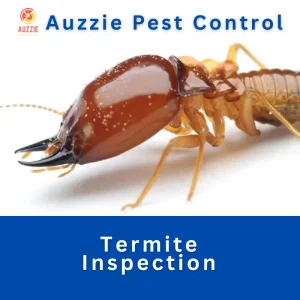
Termites: Termite activity deserves particular attention during wet weather. Subterranean termites depend on suitable moisture conditions, and damp areas around a building can contribute to favourable conditions. Mud tubes, damaged timber and hollow-sounding wood warrant professional investigation.
Ants: Rain may disrupt ant nests and encourage colonies to relocate. Ants can enter homes through small openings while searching for dry nesting sites, food or water. Kitchen benches, pet food bowls and pantry shelves are common areas where trails become noticeable.
Silverfish: These small, wingless insects prefer humid, sheltered environments. They may be found in bathrooms, wardrobes, storage cupboards and bookcases, where they can feed on materials containing starch, paper or certain natural fibres.
Spiders: Increased insect activity can attract spiders seeking prey. Some may move into garages, sheds and sheltered indoor corners, although not every increase in spider sightings is directly caused by rainfall.
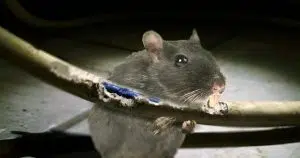
Rodents: Rats and mice may seek shelter in roofs, wall cavities, sheds and storage areas when outdoor conditions become unsuitable. Scratching sounds, droppings, gnaw marks and damaged food packaging are common warning signs.
The pests you encounter will depend on your property’s surroundings, construction, maintenance and local environmental conditions.
How Does Monsoon Weather Affect Different Areas of Your Home?
Heavy rain can expose maintenance problems that make properties more vulnerable to pests. Inspecting different parts of your home helps identify these issues early.
Kitchen and pantry: Food residue, overflowing bins, leaking sinks and unsealed food containers attract cockroaches, ants and rodents. Keep surfaces clean, store dry goods in sealed containers and check cupboards for moisture.
Bathrooms and laundries: High humidity, leaking taps, damaged grout and poor ventilation create favourable conditions for moisture-loving insects. Repair plumbing issues promptly and allow damp areas to dry thoroughly.
Roof spaces and ceilings: Rodents may use small openings around rooflines, vents and service penetrations to enter sheltered spaces. Water leaks can also damage insulation and timber, creating maintenance issues that should be addressed quickly.
Subfloors and foundations: Properties with raised timber floors may have damp subfloor areas, while homes built on concrete slabs can develop moisture problems around external walls. Poor drainage, garden beds against walls and concealed entry points may increase pest risks.
Gardens and outdoor areas: Overgrown vegetation, wet mulch, fallen leaves and standing water provide hiding places or breeding opportunities for various pests. Keep vegetation trimmed and avoid allowing soil or mulch to cover inspection points around the building.
Garages, sheds and storage rooms: Cardboard boxes, unused furniture and stored materials offer shelter for rodents, silverfish and spiders. Damp storage areas can make these spaces even more attractive.
Following storms, inspect accessible areas once conditions are safe. If flooding has affected electrical systems, structural components or contaminated areas, arrange appropriate professional assistance before entering.
Contact Auzzie Pest Immediately if you see any of the signs.
Health Risks Associated with Pest Infestations During Monsoon
Seasonal pest activity is not just an inconvenience. Certain infestations can affect health, food hygiene and the comfort of people living or working inside a property.
Cockroaches can contaminate food and food-contact surfaces as they move through waste, drains and preparation areas. Their droppings, saliva and shed body parts can also contribute to allergic reactions and asthma symptoms in susceptible individuals.
Mosquitoes cause itchy bites and can transmit mosquito-borne illnesses. Queensland Health warns that mosquito numbers can increase after heavy rainfall and flooding because standing water creates suitable breeding conditions. Removing breeding sites and preventing bites are important protective measures.
Rodents can contaminate stored food and surfaces with urine, droppings and other waste. They may also damage electrical wiring and insulation, creating additional property and safety concerns.
Some spiders and other biting insects can cause painful reactions. If a bite or sting causes severe symptoms, seek urgent medical advice rather than relying on pest treatment alone.
Termites pose a different risk. They primarily threaten buildings and wooden materials rather than directly spreading human disease. Nevertheless, concealed termite damage can weaken structural timber and lead to expensive repairs if left undetected.
Maintaining cleanliness, reducing moisture and arranging appropriate pest inspections can help limit these risks. If household members experience persistent respiratory symptoms, unexplained bites or other health concerns, consult a healthcare professional for advice.
Effective Tips to Prevent Pest Infestations During Monsoon
A few consistent maintenance habits can make your property less attractive to pests throughout Brisbane’s wet season.
- Eliminate standing water. Empty plant saucers, buckets, unused containers and outdoor toys after rainfall. Store items under cover where possible and check tarpaulins for water pockets.
- Clean gutters and downpipes. Remove accumulated leaves and debris so rainwater can drain properly. Arrange professional assistance for roof work when access is unsafe.
- Repair leaks promptly. Check taps, pipes, under-sink cupboards and visible roof areas for moisture. Fixing leaks helps discourage moisture-loving pests and reduces the risk of property damage.
- Seal entry points. Inspect door seals, window screens, gaps around pipes and openings near utility lines. Use suitable materials to close gaps while maintaining necessary ventilation.
- Store food securely. Keep pantry items in sealed containers, clean spills immediately and avoid leaving pet food exposed overnight.
- Maintain rubbish areas. Use bins with secure lids, clean them regularly and dispose of waste appropriately. Keep outdoor rubbish storage areas tidy.
- Improve ventilation. Use suitable exhaust fans in bathrooms and laundries. Address persistent condensation and investigate damp smells rather than simply masking them.
- Manage garden vegetation. Trim branches touching the building, remove excess leaf litter and keep garden beds from obstructing building inspection areas. Avoid storing firewood directly against external walls.
- Protect stored belongings. Raise boxes off damp floors where practical and avoid excessive cardboard accumulation. Inspect stored clothing, books and household items if silverfish or rodents have been present.
- Schedule regular inspections. The appropriate inspection frequency depends on the property, previous pest activity, construction and surrounding conditions. Properties with a history of termite activity or recurring infestations may require closer monitoring.
Auzzie Pest Services include regular inspection and treatment plans.
Why DIY Pest Control May Not Be Enough During Monsoon
Household sprays, traps and other do-it-yourself products can help manage certain minor pest problems. However, they may not address the underlying cause of a recurring infestation. For example, spraying visible cockroaches may kill exposed insects without reaching those hiding in wall cavities, drains or inaccessible spaces. Similarly, mosquito sprays do not eliminate breeding sites containing stagnant water.
Termites present a particularly important challenge. Their activity can remain concealed behind walls, beneath flooring or within timber structures. Applying an ordinary household insecticide is not a substitute for a proper termite inspection and suitable management plan.
Using several products without understanding their ingredients, application requirements or compatibility can also create unnecessary risks for children, pets and other occupants. Always follow product labels and avoid applying chemicals near food, water or occupied areas contrary to the instructions.
DIY methods may be insufficient when pests repeatedly return, the source of the infestation is unclear or the affected area is difficult to access. In these situations, professional assessment can help identify contributing conditions and determine a more appropriate response.
Read our blog – DIY vs. Professional Pest Control: Which Is Better?
How Professional Pest Control Services Help During Monsoon
Professional pest control involves more than treating the insects or rodents that are immediately visible. A suitable service considers the pest species, extent of activity, property conditions and likely entry points.
- Property inspection: A technician can assess accessible areas, investigate reported sightings and look for signs of pest activity. Depending on the service, this may include kitchens, roof spaces, external walls, gardens and other relevant locations.
- Pest identification: Correct identification helps determine which control measures are appropriate. Different pests require different treatment methods, so a single general-purpose spray is unlikely to solve every problem.
- Targeted treatment: Based on the findings, a professional may recommend suitable baits, monitoring devices, physical exclusion measures or approved treatments. The approach should account for the building, occupants, pets and environmental considerations.
- Entry-point and moisture advice: Recommendations may include repairing leaks, improving drainage, sealing gaps and changing storage practices. Addressing these contributing factors helps reduce the likelihood of pests returning.
- Termite management: Where termite activity is suspected, a suitably qualified and licensed professional can assess the risk and recommend appropriate inspection or management options. Any termite treatment should be selected according to the findings rather than assuming every property needs the same solution.
- Follow-up and prevention: Some infestations require monitoring or repeat visits. A professional can explain what to expect, what maintenance is needed and when further assessment may be appropriate.
In Auzzie Pest Control Pest Treament Plan, property owners can explore suitable pest control assistance for seasonal concerns. The right approach should be based on the pest problem identified and the conditions affecting the property.
Why Is Monsoon Pest Control Important for Homes and Businesses?
For homeowners, preventing seasonal infestations helps protect food hygiene, indoor comfort, household belongings and building materials. Early attention can also reduce the likelihood of recurring pest problems becoming more expensive to manage.
Landlords and property managers benefit from identifying pest-related maintenance issues promptly. Leaks, damaged screens, drainage problems and structural gaps should be addressed before they contribute to more serious concerns.
Businesses face additional challenges. Restaurants, cafés, food retailers and commercial kitchens must maintain suitable hygiene standards and protect food storage and preparation areas. Offices, warehouses and retail premises also need to manage waste, entry points and pest activity.
A visible infestation can disrupt operations, damage stock and affect customer confidence. Depending on the business, suitable preventive measures may include routine inspections, monitoring, documentation and a pest management plan tailored to the premises.
For commercial properties, pest control should complement cleaning, waste management and building maintenance. Treatments alone cannot compensate for persistent food spills, unsecured rubbish or water leaks.
Planning ahead before the wettest periods can help residential and commercial property owners identify vulnerabilities and respond more quickly when conditions change.
Call us for any service you require – Residential or Commercial.
When Should You Call a Professional Pest Control Service?
You should consider professional assistance when you notice any of the following signs:
- Pests appearing repeatedly despite cleaning and basic preventive measures.
- Large numbers of cockroaches, ants or mosquitoes around the property.
- Rodent droppings, scratching sounds, gnaw marks or damaged packaging.
- Suspected termite activity, mud tubes or unexplained timber damage.
- Pest activity in food preparation areas or commercial storage facilities.
- Persistent infestations in roof spaces, wall cavities or other difficult-to-access locations.
- Moisture-related pest problems that continue after basic maintenance.
Do not wait for visible damage to become extensive before investigating a possible termite problem. If you suspect termites, seek an appropriate inspection from a suitably qualified professional.
After flooding, prioritise personal safety and address structural, electrical and contamination concerns before undertaking pest-related cleanup.
If you need help identifying a recurring pest problem, contact Auzzie Pest Control through https://auzziepestcontrol.com to discuss your situation and the service options available for your property in Brisbane.
Frequently Asked Questions
- Why do pests enter homes after heavy rain?
Heavy rainfall can flood outdoor hiding places and disturb pest habitats. Insects and rodents may move towards nearby buildings in search of dry shelter, food and water. Increased humidity can also make some indoor environments more suitable for pests.
- Which pests are most common during the monsoon season?
Cockroaches, mosquitoes, ants, termites, silverfish, spiders and rodents may become more noticeable during wet weather. The species and severity depend on local conditions, property maintenance and surrounding habitats.
- Does rain increase termite activity in Brisbane?
Rain can create favourable soil moisture conditions for some termite species and may coincide with seasonal swarming. However, rainfall alone does not prove that a building has termites. Arrange an appropriate inspection if you notice warning signs.
- How can I prevent mosquitoes after heavy rain?
Remove standing water from containers, plant saucers and outdoor equipment. Maintain gutters, repair window screens and use suitable insect repellent according to its label. Check for water accumulation around your property after storms.
- Is professional pest control necessary every monsoon?
Not every property needs the same treatment schedule. The decision depends on the property’s history, pest risks, construction and current activity. Regular inspections and preventive maintenance can help determine whether additional treatment is warranted.
- When is the best time to arrange monsoon pest control?
Ideally, inspect and maintain your property before periods of heavy rainfall. If you notice recurring pest activity, suspected termites or signs of rodents, arrange an assessment promptly rather than waiting for the season to end.
Conclusion
Pest problems can increase during the monsoon season because heavy rainfall, humidity and changing outdoor conditions influence where pests live, breed and seek shelter. In Brisbane, these conditions can make mosquitoes, cockroaches, ants, termites and rodents important seasonal concerns.
When preventive measures are not enough, professional pest control can help identify the source of an infestation and recommend suitable management options. Protect your property before seasonal pest activity becomes a bigger problem.
Contact Auzzie Pest Control to explore pest control solutions for your Brisbane home or business and maintain a cleaner, more comfortable environment throughout the wet season.