


How Seasonal Changes Affect Pest Infestations
Brisbane’s warm, humid subtropical climate is enjoyable, but it also creates favourable conditions for household pests. Rainfall, temperature, humidity and access to food + shelter influence when pests breed, look for food or move indoors. But season has lot of effect on pest activity — In summer it may look a lot different from what it appears during a cooler winter.
But still, these seasonal patterns are guides, not strict rules. Many pests remain active all year, and rain, heat, leaks or nearby building work can trigger activity at any time.
Read this article on Affect of Season on Pest Infestation prepared by our Auzzie Pest Control Team.
How Different Seasons Affect Pest Infestations
Summer (December to February): Heat, Humidity and Rain.
Warm weather usually accelerates the development and activity of many insects. After rain, standing water provides breeding sites for mosquitoes, while humidity and accessible food encourages cockroaches and ants. Storms may also drive insects into sheltered areas or leave debris and water around buildings.
– Keep drains flowing, remove pooled water and store food securely.
⇓
Autumn (March to May): Changing Conditions and Shelter-Seeking.
Now as temperatures begin to ease, pests may continue taking advantage of damp conditions left by summer rain. Rodents start to explore roof spaces, garages and wall cavities where food and shelter are available. Ants keep on foraging, and termites remain active even when flying termites are less noticeable.
– Autumn is a useful time to repair gaps, clear leaf litter and check for leaks before cooler weather arrives.
⇓
Winter (June to August): Indoor Warmth and Hidden Activity.
Brisbane winters are relatively mild, so pests do not simply disappear. Rats and mice start to become more noticeable in ceilings, sheds and kitchens as they seek sheltered nesting sites. Cockroaches persist in warm, damp indoor areas, including cupboards, laundries and behind appliances. Termites can continue feeding out of sight.
– Use winter to inspect entry points and arrange a termite inspection if one is due.
⇓
Spring (September to November): Renewed Activity.
Warmer days can increase insect movement and make some reproductive events more noticeable. Flying termites, sometimes called alates, may swarm when local weather conditions are suitable; the timing varies by species and location. Ants may become more visible around patios and kitchens, while spiders and other insects may be noticed around gardens and eaves.
– Seal access points and deal with moisture problems before hotter, wetter weather returns.
These are broad trends, not a fixed calendar; local conditions matter too.
Common Pests and How Their Activity Changes Throughout the Year
Cockroaches: Cockroaches thrive where food, water and hiding places overlap. Humid weather may increase activity, but indoor species can persist year-round. Look behind fridges, under sinks, around drains and near cardboard. Clean residue, fix leaks and reduce clutter; repeated daytime sightings need attention.
Ants: Ants become more visible when they find food or water. Rain may displace colonies, while dry spells can draw them indoors for moisture. Wipe up spills, seal pantry goods and follow trails to entry points. Spraying visible ants alone may not resolve the colony or why it is entering.
Rats and mice: Rodents seek shelter when outdoor food or weather conditions change. Thus, roof and wall activity is more noticeable in cooler periods, but infestations are not limited to winter. Watch for scratching, droppings, gnaw marks, nesting material or damaged food packaging. Seal gaps, remove food sources and investigate suspected roof-space activity.
Mosquitoes: There is rise in their numbers after warm weather and rainfall because water allows immature mosquitoes to develop. Buckets, plant saucers, blocked gutters, tarpaulins and other containers can collect enough water to support breeding. Remove standing water where practical and maintain intact flyscreens.
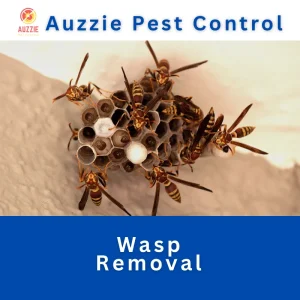
Spiders and wasps: Spiders may appear around doors, sheds and gardens while hunting prey or seeking shelter. Meanwhile, wasps can build nests around eaves, roof spaces or garden structures in warmer months. Keep garden edges tidy and do not handle nests. Use a professional if a nest is near a doorway or someone is at risk of being stung.
Key Environmental Factors That Influence Seasonal Pest Infestations
Temperature: Warm conditions can speed insect development, while cooler weather may encourage rodents and some insects to shelter indoors. Different species respond differently, so a temperature change does not predict every pest’s behaviour.
Rainfall and standing water: Heavy rain can flood nests, shift ants and other insects from exposed areas, and leave water for mosquito breeding. Conversely, dry weather may lead pests to seek moisture near plumbing, irrigation or pet bowls. After storms, inspect the yard safely and empty containers that collect water.
Humidity and leaks: Damp subfloors, bathrooms, dripping taps and leaking air-conditioning lines can attract pests. Moisture also affects timber and termite risk. Repair leaks and improve drainage promptly.
Food and waste: Unsealed pantry goods, pet food, crumbs, compost and overflowing bins provide food in any season. Use tight-fitting lids, clean bins and avoid exposed scraps.
Entry points and shelter: Gaps around pipes, doors, rooflines and screens allow pests inside. Vegetation, stacked timber, leaf litter and clutter beside walls provide hiding places. Keep an inspection gap where practical and do not seal required vents.
Neighbourhood and property conditions: Construction, vacant lots, shared rubbish areas, drainage issues and connected apartment walls can influence pest pressure. Even a well-maintained home may be affected by surrounding conditions.
Warning Signs of Seasonal Pest Infestations in Your Home
Watch for small, repeated clues and act before they spread: (Early signs are not always live pests)
- Droppings, gnawing or scratching: Rodent droppings, chewed packaging, shredded insulation or noises in ceilings and walls suggest possible rodent activity.
- Repeated insect sightings: Ant trails, cockroaches appearing regularly, or insects repeatedly emerging from the same crack may indicate a nearby nest or harbourage.
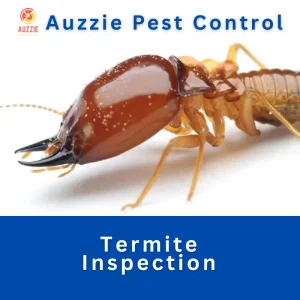
- Termite indicators: Mud tubes on foundations, discarded wings near windows, soft or damaged timber, bubbling paint or unexplained changes to doors and frames require prompt assessment. Termite damage can remain hidden.
- Moisture and staining: Persistent dampness, musty odours, swollen timber or recurring leaks may make areas more attractive to pests and warrant repair.
- Nests and unusual garden activity: Wasps repeatedly entering one opening, concentrated insect activity or a visible nest near a doorway should not be disturbed casually.
One sighting does not always mean a major infestation, but repeated evidence deserves attention. Photograph signs if safe and note where they occur.
How to Prevent Pest Infestations Throughout the Year
Prevention works best when it combines sanitation, exclusion, moisture management and regular monitoring. These habits reduce the conditions pests depend on, whatever the season:
- Remove food sources. Store dry goods in sealed containers, clean grease and crumbs from kitchens, rinse recyclables and secure rubbish lids. Put pet food away when not in use.
- Control water. Fix leaking taps and pipes, clear gutters and drains, empty outdoor containers after rain and keep bathrooms ventilated. Avoid leaving water pooled beside the building.
- Block entry points. Repair flyscreens, fit door seals where suitable and close gaps around service penetrations with materials appropriate to the location. Do not block required ventilation openings.
- Reduce harbourage. Keep firewood, garden waste and stored items away from external walls. Trim vegetation that touches the building and avoid letting clutter build up in garages, laundries and roof spaces.
- Inspect regularly. Check cupboards, under sinks, garages, roof-space access areas and outdoor structures for fresh signs. Use a torch, stay within safe access limits and never enter an unsafe roof or subfloor.
- Plan professional checks. General pest treatments and termite inspections serve different purposes. Follow the timing recommended for your property, its construction, history and risk factors, and do not assume a general spray will detect or prevent termite damage.
To know more – read more about it in our blogs.
Seasonal Pest Control Checklist: What to Do Each Season
Summer
- Empty water-holding containers and check gutters after storms.
- Store food and rubbish securely; wipe up kitchen spills.
- Check flyscreens and use appropriate mosquito protection outdoors.
- Watch for increased cockroach, ant and flying-termite activity.
Autumn
- Seal small gaps around doors, windows and service pipes where appropriate.
- Clear leaf litter and stored clutter from external walls.
- Check the roof, garage and shed for rodent signs.
- Repair leaking taps, downpipes and irrigation lines.
Winter
- Inspect pantry corners, laundries, roof access areas and garages for rodent or cockroach evidence.
- Store pet food and birdseed in sealed containers.
- Arrange a termite inspection if one is due.
- Keep timber, cardboard and other stored items dry and raised where practical.
Spring
- Check eaves, sheds and garden structures for wasp activity without disturbing nests.
- Look for termite swarmers or discarded wings, especially around windows and lights.
- Trim plants away from the building and clear blocked drainage.
- Review the year’s pest history and schedule any needed maintenance or treatment.
Note: Use this checklist as a prompt, not a guarantee.
DIY Pest Prevention vs. Professional Pest Control
DIY prevention is valuable for everyday maintenance: cleaning, sealing suitable gaps, removing standing water, storing food safely and monitoring for signs. For a small, clearly identified issue, a product used exactly as labelled may sometimes help. Always follow instructions, protect children and pets, and never mix chemicals or apply a product to a place or pest not listed on its label.
However, DIY methods can fall short when pests are hidden, colonies are hard to reach, activity keeps returning or identification is uncertain. Surface sprays may kill visible insects without addressing nests, entry routes or the conditions supporting them. Incorrect treatment around termites can also make an assessment more difficult. Wasps, rodents in roof voids and suspected termite activity may present safety or property risks that call for professional assessment.
A Licensed professional can identify pests, investigate activity, recommend treatment and explain preparation and aftercare. Effective control may combine targeted treatment, prevention and follow-up rather than chemicals alone. Ask what the service covers and what precautions are needed for people, pets and food areas.
Auzzie Pest Control offers Residential and Commercial pest services across Brisbane and surrounding South East Queensland, including termite inspections and treatments, rodent control, cockroach control and ant control.
Why Seasonal Pest Control Is Important for Homes and Businesses
Seasonal pest management is about reducing risk before pests become difficult or expensive to manage. For households, early action helps protect food, belongings and timber structures. Termites can cause hidden damage, while rodents can contaminate goods and chew wiring or insulation.
For businesses, pests can disrupt operations, customer confidence and hygiene. Cafés, restaurants, food retailers, warehouses, offices and rentals benefit from tidy waste areas, sealed storage, documented inspections and prompt reporting.
The schedule depends on property type and pest history. A restaurant may need planned monitoring, while a home with a termite history may need specific inspections and risk-reduction measures. Seasonal awareness complements, professional advice and maintenance.
Checkout all the location – Auzzie Pest Control provides its services.
Frequently Asked Questions
When is pest activity highest in Brisbane?
Many insects are more noticeable during warm, wet weather, but rodents, cockroaches and termites can remain active year-round.
Does pest control need to be done every season?
Not necessarily. The right frequency depends on the pest, property type, treatment used and history of activity. An annual review may suit many homes, but commercial premises or properties with recurring issues may need more frequent monitoring.
Are termites only active in summer?
No. Termites can feed and damage timber throughout the year. Swarming may be seasonal and weather-dependent, but the absence of flying termites does not mean a building is termite-free. Schedule inspections according to professional recommendations.
How can I reduce mosquitoes after heavy rain?
Remove water from containers, plant saucers, tarpaulins and other items, and keep gutters clear. Repair screens and use a suitable repellent as directed. Never enter floodwater or unsafe areas to clear debris.
Are DIY sprays enough to stop an infestation?
They may help with some limited problems when used correctly, but they may not address hidden nests, entry points or the causes of repeated activity. If signs continue or the pest is uncertain, seek a professional assessment.
Is seasonal pest control safe for children and pets?
Safety depends on the product, application and the property. Tell your provider about children, pets, aquariums and sensitive areas before treatment, and follow all preparation, re-entry and aftercare instructions supplied by the technician.
Conclusion
Seasonal weather affects pest activity in Brisbane, but pests do not follow a perfect calendar. Warmth and rain can increase mosquitoes, ants and cockroaches, rodents may seek indoor shelter, and termites can remain hidden year-round. Food, moisture, shelter and entry points often determine whether a property attracts pests.
Keep food and rubbish secure, remove standing water, fix leaks, reduce clutter and seal suitable gaps. Pair these habits with professional inspections and targeted treatments when needed.
For seasonal pest control advice in Brisbane, Auzzie Pest Control can discuss options for your home or business. Visit https://auzziepestcontrol.com to learn more or request a quote.