


How Much Damage Can Termites Cause to Your Home?
Introduction to Termite Damage
Termites are often called “silent destroyers”, the reason being they can spend months—or even years—feeding inside a home without attracting attention. While you go about your daily routine, a colony hidden behind walls, beneath floors, or inside support beams may be slowly eating away at one of the biggest investments you’ll ever make.
That’s what makes termite damage so unsettling. You don’t usually see it happening. By the time obvious signs appear, the damage may already be extensive.
I’ve spoken with homeowners who were convinced everything was fine until they pushed on a window frame and their finger went straight through the wood. Others discovered a termite problem during a home sale inspection and suddenly faced thousands of dollars in unexpected repairs.
Termites aren’t just a nuisance. They’re tiny demolition crews working around the clock.
In this article, we’ll break down exactly how termites damage homes, which species cause the most destruction, how quickly damage can occur, what repairs typically involve, and most importantly, how homeowners can prevent a small termite problem from becoming a major financial headache.
How Termites Damage a Home
Termites survive by feeding on cellulose, a natural component found in wood and many plant-based materials. From the termite’s perspective, our homes are a giant buffet. For example, wood framing, floor joists, support beams, trim, drywall paper, cardboard boxes, books, and even some insulation products contain materials termites can consume.
The real danger lies in how they feed. Unlike many pests that damage surfaces, termites typically attack wood from the inside out. They tunnel through the softer portions of the wood, leaving thin outer layers intact. From the outside, a beam may appear perfectly normal. Inside, however, it can resemble a honeycomb filled with hollow chambers.
Think of it like an apple that looks healthy on the outside but is completely rotten in the centre. As termites continue feeding, the wood loses strength. Load-bearing structures become weaker. Floors may begin to sag. Door frames can shift. Walls may develop subtle distortions that gradually worsen over time.
Termites don’t stop at structural lumber, either. They damage drywall, furniture, wooden flooring, cabinetry, books, paper documents, picture frames, and stored belongings. In severe infestations, homeowners sometimes discover damage extending far beyond the original infestation area.
What makes termite damage especially frustrating is that the insects work continuously. They don’t sleep the way humans do. Colonies operate twenty-four hours a day, seven days a week, steadily expanding their feeding network.
Types of Termites and Their Damage Levels
There are many kinds of termites, and they all behave differently. Some species cause significantly more damage than others. Look below at a few of them:
Subterranean Termites
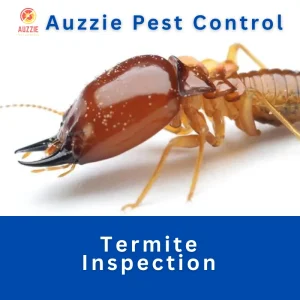
Subterranean termites are responsible for the vast majority of serious structural termite damage. These termites live underground and require moisture to survive. Because they need protection from dry air, they construct mud tubes—small tunnel-like structures made from soil, saliva, and termite waste.
These tubes act like protected highways connecting the colony to food sources. Homeowners often discover these mud tubes running up foundation walls, piers, utility penetrations, or concrete surfaces.
The reason subterranean termites are so destructive is simple: colony size. A mature colony can contain hundreds of thousands of termites. In some cases, populations may reach into the millions. That’s an enormous workforce feeding on a home every single day.
Drywood Termites
Drywood termites take a different approach. Unlike subterranean termites, they don’t need contact with soil. Instead, they live directly inside the wood they consume, which allows them to infest roof timbers, wall framing, furniture, wooden trim, and other structural components without maintaining a connection to the ground.
One of the most recognisable signs of drywood termites is frass. Frass consists of tiny faecal pellets that termites push out of their galleries. Homeowners often notice small piles of pellet-like material beneath infested wood.
Although drywood colonies tend to be smaller than subterranean colonies, they can still cause substantial damage over time if left untreated.
Formosan Termites
Formosan termites are often referred to as “super termites,” a nickname well earned. They are highly aggressive termites and establish massive colonies containing several million individuals.
Also, their appetite is extraordinary. Given the right conditions, Formosan termites can inflict severe structural damage much faster than many other termite species. They attack homes aggressively, expand rapidly, and can overwhelm structural components if infestations go undetected.
Early Signs of Termite Damage in Your Home
Termites rarely reveal themselves directly, but they do leave clues. Knowing what to look for can save homeowners thousands of dollars. Below is a practical checklist of common warning signs:
- Mud tubes along foundations or walls
- Discarded swarmer wings near windows and doors
- Hollow-sounding wood
- Bubbling or distorted paint
- Sticking doors and windows
- Sagging floors
- Small holes in drywall
- Visible wood damage
- Frass pellets beneath wooden structures
- Faint clicking sounds inside walls
Remember, each sign occurs for a reason.
- Mud tubes protect subterranean termites from dehydration while they travel between the colony and the food source.
Discarded wings appear after reproductive termites swarm and establish new colonies. Once they land, they shed their wings because they no longer need them. - Hollow wood develops because termites consume internal wood fibers while leaving thin exterior surfaces behind.
Doors and windows may become difficult to open because termite-damaged wood can warp as moisture enters compromised areas. - Clicking sounds occasionally reported by homeowners often come from soldier termites communicating through vibrations when the colony senses disturbance.
Individually, these clues may seem minor. But together, they tell a very different story.
How Fast Can Termites Destroy a House?
Termites do not destroy an entire house overnight. A healthy home won’t suddenly collapse after a few weeks of termite activity. However, that doesn’t mean homeowners can relax.
Termite damage accumulates gradually and relentlessly. A mature colony feeds every hour of every day. Small amounts of damage add up over months and years.
The speed of destruction depends on several factors. (mentioned below)
First is colony size. Larger colonies consume more material and expand more rapidly.
Then comes the moisture level. Damp wood is easier for termites to exploit, which is why infestations are often associated with leaking pipes, poor drainage, or water-damaged structures.
Temperature also affects termite activity. Warm environments allow colonies to remain active for longer periods and support faster population growth.
A newly established colony may take years to cause severe structural issues. An established colony that’s been feeding undetected for several years can create extensive damage before homeowners realise anything is wrong.
Financial Cost of Termite Damage
The financial impact of termites can be staggering. Across Australia, homeowners spend billions of dollars annually on termite treatment, repairs, and prevention measures. Industry estimates regularly place termite-related costs at well over $1.5 billion each year.
For individual homeowners, repair costs vary widely depending on the extent of damage. Minor repairs may cost a few hundred dollars. Replacing damaged framing, flooring, support beams, or structural components can easily push costs into the thousands or even tens of thousands of dollars. I’ve seen situations where what started as a small infestation behind one wall eventually required major reconstruction work throughout multiple areas of the property.
Here’s another unpleasant surprise many homeowners discover too late. Standard homeowners’ insurance policies typically do not cover termite damage.
Insurance companies generally classify termite destruction as preventable maintenance rather than sudden accidental damage. Because infestations develop gradually over time, coverage is often excluded. Which means the repair bill usually comes directly out of the homeowner’s pocket.
This is one reason termite infestations are treated as financial emergencies rather than simple pest problems.
Can Termite Damage Be Repaired?
Yes, termite damage can often be repaired. But the repair process can become extensive if the infestation has been active for a long period.
Always remember, the one simple rule –
“Never begin repairs until the termite colony has been eliminated.”
Repairing damaged wood while termites remain active is like repainting a wall while water continues leaking behind it. The underlying problem remains unresolved.
Once treatment is complete, contractors evaluate the extent of structural damage. Cosmetic damage is usually straightforward. Trim boards, drywall sections, flooring materials, and decorative woodwork can often be replaced without major structural work.
Structural damage requires more planning. If termites have compromised load-bearing beams, floor joists, wall studs, or support posts, contractors may need to install temporary supports to stabilise the structure before removing damaged components. Replacement lumber is then installed to restore structural integrity.
Depending on severity, repairs may involve carpenters, structural engineers, contractors, and pest management professionals working together.
What Happens If Termite Damage Is Ignored
Ignoring termites rarely ends well and can have severe implications.
At first, the damage may appear cosmetic. A small crack here. A soft spot there. Over time, those issues can become much more serious. Structural supports continue weakening. Floors may sag noticeably. Walls can shift. Roof supports may lose strength. Wooden staircases can become unsafe. In extreme situations, sections of flooring or structural components may fail.
There’s also the financial side. As damage accumulates, repair costs continue rising. A problem that might have required a relatively modest treatment and repair bill now might evolve into a major renovation project.
Property value often suffers as well. Buyers become cautious when termite history appears during inspections. Extensive damage can complicate home sales and reduce market appeal. Moisture problems sometimes develop alongside termite activity, creating conditions that encourage mould growth and additional deterioration. Eventually, portions of the home may become unsafe, difficult to insure, or challenging to sell.
How to Prevent Severe Termite Damage
“Prevention is better than cure.” Thus, prevention is almost always cheaper than repair.
Fortunately, homeowners can take several practical steps to reduce termite risk.
Start with moisture control. Fix leaking pipes, dripping faucets, damaged gutters, and drainage issues promptly. Excess moisture attracts termites and creates ideal feeding conditions.
Reduce wood-to-soil contact wherever possible. Wooden siding, deck posts, fence components, and structural lumber should not remain in direct contact with soil.
Be mindful of mulch placement. Mulch helps landscaping retain moisture, but placing thick layers directly against the foundation can create favourable termite conditions. Maintain a visible gap between mulch and exterior walls.
Store firewood properly. Keep firewood elevated off the ground and positioned well away from the home. Stacking wood directly against exterior walls is essentially an open invitation for termites.
Remove dead tree stumps, fallen branches, and decaying wood from the property.
Finally, schedule periodic termite inspections. Professional inspections often identify early activity before visible damage develops.
When to Call a Termite Pest Control Professional
Termite control is not a typical do-it-yourself project. Many over-the-counter products only kill termites that come into direct contact with the treatment. The colony itself—including the queen—often remains unaffected. That’s why infestations frequently return after DIY attempts.
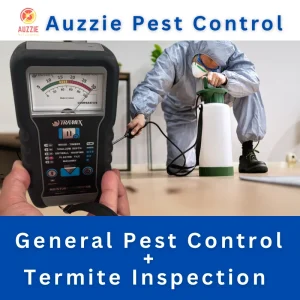
Professional termite inspections involve a detailed examination of foundations, crawlspaces, attics, wall voids, structural lumber, moisture conditions, and potential entry points. Trained technicians know where termites hide and what subtle evidence indicates active infestation.
Professional treatment options include liquid soil barriers, wood treatments, monitoring stations, and advanced baiting systems, specially designed to eliminate entire colonies rather than individual termites. The goal isn’t simply killing visible termites. The goal is to eliminate the source of the problem and prevent future reinfestation.
Remember, if one notices mud tubes, swarmers, damaged wood, frass, or any suspicious signs, professional evaluation is the safest next step.
For those looking for termite control professionals in Brisbane and nearby areas Auzzie Pest Control and CleanWee Cleaning are the best in business.
Conclusion
Termites may be small, but the damage they cause is enormous. These silent destroyers work continuously behind walls, beneath floors, and inside structural wood, often remaining hidden until significant damage has already occurred.
The encouraging news is that severe termite damage is largely preventable. Early detection, routine inspections, moisture management, and prompt professional treatment can stop colonies before they compromise the safety and value of your home.
The key is not to wait for obvious damage to appear. A proactive approach provides something every homeowner wants: confidence that their home is protected. When it comes to termites, peace of mind isn’t created by hoping they’re not there—it’s created by knowing you’ve taken the right steps to keep them out and, yes, calling for professional help.