


How Much Does Termite Pest Control Cost in 2026?
Introduction
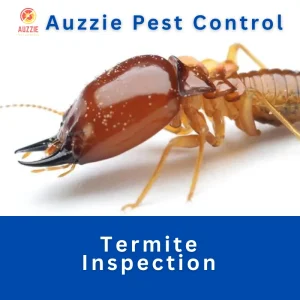
Finding termites is one of those moments every property owner hopes never happens. Maybe you noticed a few winged insects gathering around a window after a rainstorm. Maybe you found pencil-thin mud tubes climbing up your foundation wall. Sometimes it’s even worse. A contractor taps a beam during a renovation, and the wood sounds hollow. That’s usually when panic sets in.
The first question most people ask isn’t about termite biology or treatment methods. It’s about money.
“How much is this going to cost me?”
After more than a decade in pest control, I’ve learned that homeowners want honest answers, not vague estimates. But unfortunately, termite pricing isn’t as simple as replacing a broken appliance. The cost varies dramatically depending on the type of termite, the size of the structure, the treatment method selected, and how long the infestation has been active.
A small localised treatment may cost only a few hundred dollars. A severe infestation affecting structural components can push costs into the thousands before repairs are even considered.
The good news is that termite treatment pricing in 2026 has become more transparent. Reputable companies are providing more detailed inspections, better warranty options, and advanced treatment technologies that offer longer-lasting protection with lower environmental impact.
This guide breaks down exactly what termite pest control costs in 2026, why prices vary so much, and how to determine whether a quote is fair.
Factors That Affect Termite Pest Control Costs
Just remember, no two termite jobs are identical. I’ve treated two homes on the same street that ended up costing completely different amounts because the underlying conditions were so different.
Several major factors determine pricing.
Size of the Structure
The larger the property, the higher the treatment cost. A technician treating a 1,200-square-foot home uses less product, less labour, and less equipment than someone treating a 5,000-square-foot property.
Larger structures often require:
- More trenching
- More drilling points
- More bait stations
- More inspection time
- More chemical products
Commercial buildings can increase costs even further because treatment zones often extend around loading docks, utility penetrations, storage areas, and multiple foundations.
Severity of the Infestation
A small colony discovered early is much easier to control than a colony that has been active for years. I’ve inspected homes where termites were limited to a single wall cavity. I’ve also seen situations where termites had spread through floor joists, support beams, subfloors, and roof framing. The more extensive the infestation, the more labour-intensive the treatment becomes.
Severe infestations often require:
- Additional drilling
- Multiple treatment methods
- Follow-up inspections
- More extensive monitoring
Foundation Type
Foundation design has a huge impact on treatment difficulty.
Slab Foundations — These are common but can be expensive to treat because technicians often need to drill through concrete to reach soil beneath the structure.
Crawlspaces — These can make inspections easier but may create challenges if access is limited or if moisture problems exist.
Basements — Basements often require specialised treatment approaches and additional inspection time.
Accessibility
Accessibility affects labour costs more than many people realise. Tight crawlspaces, dense landscaping, decorative stonework, patios, decks, and built-in features can all make treatment more complicated. A technician who can walk directly around a foundation works much faster than one who must navigate obstacles every few feet.
Average Termite Pest Control Costs in 2026
Let’s talk numbers. These are realistic industry averages in 2026, though actual costs vary by region and infestation level.
Spot Treatments — Best for very localized activity. These treatments target specific areas where termite activity has been identified. Spot treatments are generally appropriate when the infestation is caught early and has not spread throughout the structure.
Average Cost: $250–$900
Standard Whole-House Treatment — This is the most common scenario. Most homeowners fall within this range. Treatments usually involve creating a protective barrier around the structure, installing monitoring systems, or combining multiple approaches.
Average Cost: $1,200–$3,500
Severe Infestation Treatment — Large properties or extensive termite activity. These situations often involve significant drilling, multiple treatment phases, advanced monitoring systems, and extensive follow-up work.
Average Cost: $3,500–$8,000+
Quick Cost Breakdown
Localised Spot Treatment — $250–$900
Average Residential Treatment — $1,200–$3,500
Large Home or Heavy Infestation — $3,500–$8,000+
Commercial Properties — $2,500–$25,000+
One reason costs have increased compared to several years ago is inflation. Fuel, insurance, labour, licensing fees, equipment costs, and treatment materials have all risen significantly. Eco-friendly technologies and advanced baiting systems have also improved effectiveness, but can add to upfront pricing.
Cost of Different Termite Treatment Methods
Not all termite treatments are created equal. Each method has different installation requirements, costs, and life expectancies.
Liquid Termiticide Barricades — It is one of the most widely used termite treatments. The process involves trenching around the structure and applying a liquid termiticide to create a treated zone between termites and the building.
Some properties require drilling through:
- Concrete patios
- Garage slabs
- Walkways
- Interior flooring
Typical Cost: $1,200–$4,500
Longevity: Often 5–10 years, depending on product and site conditions.
Advantages
- Immediate protection
- Proven effectiveness
- Long-lasting residual performance
- Excellent for subterranean termites
Disadvantages
- Labour-intensive
- Drilling may be necessary
- Upfront costs can be higher
Many technicians still consider liquid barriers the gold standard for subterranean termite control because they provide both immediate and long-term protection.
Baiting Systems (Sentricon and Similar Systems)
Baiting systems work differently. Instead of creating a barrier, technicians install monitoring stations around the structure. Termites feed on the bait and carry it back to the colony, eventually eliminating it.
Initial Installation Cost: $800–$3,000
Annual Monitoring Cost: $250–$800
Advantages
- Lower environmental impact
- Targets the colony directly
- Continuous monitoring
- Minimal disruption to property
Disadvantages
- Requires ongoing maintenance
- Colony elimination can take several months
- Annual service fees continue
Many modern termite programs combine bait stations with liquid treatments for added protection.
Heat Treatments — Heat treatments raise temperatures within affected areas high enough to eliminate termites.
Typical Cost: $1,500–$4,000
Advantages
- Chemical-free
- Fast results
- Useful in specific situations
Disadvantages
- Limited applications
- No long-term residual protection
- Not suitable for every infestation
Fumigation/Tenting — Fumigation is generally reserved for severe drywood termite infestations. The entire structure is enclosed and treated with fumigant gas.
Typical Cost: $2,500–$10,000+
Advantages
- Whole-structure treatment
- Reaches hidden infestations
- Highly effective against drywood termites
Disadvantages
- Occupants must temporarily relocate
- No residual protection after treatment
- Higher overall cost
Pre-Construction vs. Post-Construction Treatment Costs
One of the biggest cost differences in termite control comes down to timing. Treating a structure before construction is dramatically cheaper than correcting a termite problem after the building is complete.
Pre-Construction Treatment — Before concrete is poured, technicians can easily access exposed soil. Treatment usually involves applying termiticides directly to the soil before foundations and slabs are installed.
Typical Cost: $500–$2,000
The process is straightforward because everything is accessible — No drilling — No trenching through landscaping. — No disruption to finished structures.
Post-Construction Treatment — Years later, things become much more complicated. Technicians may need to:
- Drill through concrete slabs
- Trench around foundations
- Navigate utilities
- Work around patios and landscaping
- Access difficult crawlspaces
Typical Cost: $1,200–$5,000+
I’ve seen builders spend under $1,000 protecting a structure during construction, while owners later spent four or five times that amount correcting a preventable termite issue.
Residential vs. Commercial Termite Control Costs
Residential and commercial termite treatments might look similar on the surface, but the pricing structure is very different.
A typical single-family home is relatively predictable. Technicians know the treatment area, can estimate material requirements fairly accurately, and usually complete the work in a day or two.
Commercial properties, on the other hand — Warehouses, Apartment complexes, Retail centres, Office buildings, Restaurants, and Industrial facilities often require more planning, more documentation, and more ongoing monitoring.
Typical Residential Treatment Cost
- $1,200–$3,500 – For most homes
- $3,500–$8,000+ – For severe infestations
Typical Commercial Treatment Cost
- $2,500–$25,000+
- Large facilities can exceed $50,000 depending on size and complexity
One reason commercial pricing is higher involves liability. Property managers often require detailed treatment records, scheduled inspections, compliance reporting, and ongoing service agreements. Commercial contracts also tend to include annual monitoring, warranty renewals, and preventative inspections, all of which contribute to long-term costs.
Cost by Type of Termite Infestation
Again, not all termites behave the same way. The species involved can dramatically affect both treatment strategy and pricing.
Subterranean Termites — These are the termites most homeowners encounter. They live in the soil and travel through mud tubes, which are small tunnels made from soil, saliva, and debris. These tubes protect termites from drying out while they move between the colony and food sources.
Typical Treatment Cost: $1,200–$4,500
Subterranean termites generally respond well to:
- Liquid barriers
- Soil treatments
- Bait stations
- Combination systems
Because their colonies are located underground, treatments focus on intercepting or eliminating the colony before it reaches the structure.
Drywood Termites — Drywood termites don’t need contact with soil. Instead, they live directly inside wooden structures and furniture. That means one won’t usually see mud tubes.
Typical Treatment Cost: $1,000–$8,000
Instead, homeowners often notice:
- Small kick-out holes
- Tiny termite droppings
- Hollow-sounding wood
- Swarmers emerging indoors
Localized infestations may only require targeted treatment. Widespread infestations often require fumigation, which significantly increases costs.
Formosan Termites — Famously known as “Super Termites.” These “Super Termites” colonies can contain hundreds of thousands to millions of termites. They consume wood aggressively and can cause severe structural damage in a surprisingly short period.
Typical Treatment Cost: $2,500–$10,000+
Why do they cost more? — Because technicians often need:
- Larger treatment zones
- More bait stations
- More product
- Longer monitoring periods
- Multiple treatment methods
When Formosan termites are involved, early intervention becomes even more valuable.
Additional Expenses to Consider
The point where most property owners get caught off guard. They budget for the treatment but forget about everything that may come afterwards.
Structural Repairs — Killing termites is one thing. Repairing the damage they leave behind is another. Depending on the severity of the infestation, repairs may include:
- Drywall replacement
- Baseboard replacement
- Floor joist repairs
- Beam replacement
- Roofing timber repairs
- Framing repairs
Minor repairs may cost a few hundred dollars. Major structural work can easily exceed $10,000 or more. I’ve inspected homes where termite treatment cost $2,000, but repairs exceeded $15,000. The reason why early detection matters so much.
Annual Inspections — Many termite warranties require periodic inspections. These inspections help identify new activity before major damage occurs.
Typical Cost: $150–$400 per year
Warranty and Bond Renewals — Many termite companies offer renewable protection agreements.
Typical Annual Renewal Cost: $200–$700
Always ask:
- What does the renewal cover?
- Does it include retreatment?
- Does it include damage repair coverage?
- Can pricing increase in future years?
How Location Impacts Termite Treatment Pricing
Geography plays a huge role in termite control costs.
Some areas simply have more Termite pressure than others. Properties located in warm, humid climates often face year-round termite activity. Coastal regions, southern states, and areas with high moisture levels typically experience heavier termite pressure than colder northern regions.
More termite pressure usually means:
- More inspections
- More preventative work
- More treatment demand
- Higher overall costs
Labour rates also vary significantly. A treatment that costs $1,500 in one city may cost $3,000 in another due to differences in:
- Labor costs
- Fuel prices
- Licensing requirements
- Insurance expenses
- Operating costs
Local competition can also influence pricing. Areas with many established termite companies often have more competitive rates than regions with limited service providers.
Is Professional Termite Pest Control Worth the Cost?
If you’re hoping for a completely unbiased answer, here’s mine after more than a decade in the field. — Most of the time, yes!
Consider the numbers. The average professional termite treatment often costs between $1,200 and $3,500.
Now compare that to common repair costs:
- Floor repairs: $2,000–$10,000+
- Structural beam replacement: $3,000–$15,000+
- Major framing repairs: $10,000–$30,000+
- Extensive structural restoration: $30,000+
Termites don’t take days off. They don’t stop feeding because you’re waiting until next year. I’ve seen homeowners delay treatment to save money, only to spend several times more on repairs later.
Professional treatment isn’t really about killing today’s termites. It’s about preventing tomorrow’s damage. That’s where the real value lies.
Tips to Reduce Termite Pest Control Expenses
While no homeowner can eliminate termite risk entirely, there are several ways to reduce costs over time.
Fix Moisture Problems Quickly: Termites thrive in moist environments. The less moisture available, the less attractive your property becomes.
Repair:
- Leaking pipes
- Roof leaks
- Drainage issues
- Faulty gutter
Keep Mulch Away from Foundations: Mulch retains moisture. Maintain a visible gap between mulch and the foundation whenever possible.
Eliminate Wood-to-Soil Contact: It creates easy access points for termites. Common problem areas include:
- Deck posts
- Wooden siding
- Fence lines
- Stored firewood
Schedule Inspections Before Problems Develop: Annual inspections often cost far less than major treatments. Early detection is one of the best investments a property owner can make.
Compare Multiple Quotes: Always get at least two or three inspections. Don’t just compare prices. (The cheapest quote is not always the best value.)
Compare:
- Warranty terms
- Treatment methods
- Follow-up services
- Company reputation
Watch for Seasonal Promotions: Many pest control companies offer discounts during slower periods of the year. These promotions can significantly reduce upfront costs.
How to Choose a Cost-Effective Termite Control Service
A good termite company should be transparent. One should never feel pressured or confused. Look for providers that offer:
- Proper licensing
- Liability insurance
- Detailed inspections
- Written reports
- Multi-year warranties
- Clear pricing
- Positive online reviews
- Ongoing support
Ask questions. Lots of them. A quality company should explain:
- Why a treatment is recommended
- What products will be used
- How long protection should last
- What the warranty covers
Be cautious of companies that:
- Quote prices without inspecting the property
- Refuse written documentation
- Push same-day contracts
- Offer prices that seem dramatically lower than competitors
A cheap treatment that fails is usually the most expensive option in the long run.
Frequently Asked Questions
How long does a termite treatment last?
It depends on the treatment type. Many modern liquid treatments can remain effective for five to ten years under favourable conditions. Baiting systems require ongoing monitoring but can provide continuous protection when properly maintained.
Can I do DIY termite control?
You can buy termite products. That doesn’t mean you’ll eliminate the colony. Most colonies exist in locations homeowners cannot easily access. Professional treatments are designed to address the source of the infestation, not just the visible signs.
Does homeowners’ insurance cover termite damage?
In most cases, no. Insurance providers typically classify termite damage as preventable maintenance rather than sudden accidental damage. Always check your individual policy for details.
Are termite inspections worth paying for?
Absolutely. A professional inspection often identifies activity long before major damage becomes visible. The cost of an inspection is usually tiny compared to the cost of structural repairs.
Conclusion
Termite treatment costs in 2026 can range from a few hundred dollars for a localised issue to several thousand dollars for a large-scale infestation. The final price depends upon the property, the termite species involved, the treatment method selected, and how long the infestation has been active.
If you’ve noticed mud tubes, swarmers, damaged wood, or simply haven’t had a termite inspection in years, consider scheduling a professional evaluation. A thorough inspection provides clarity, helps you understand your options, and may save you thousands of dollars in future repairs. The sooner you know what you’re dealing with, the easier—and usually cheaper—it is to solve the problem.
For anyone looking for the best pest control services in Brisbane or surrounding area – Auzzie Pest Control is your answer. — Best, Professional and Reliable.