


How Often Should Brisbane Homes Have Mice Inspections?
Mice can enter a Brisbane home through surprisingly small gaps, settle in wall or roof spaces, and remain unnoticed until there are obvious signs such as droppings, gnaw marks or scratching sounds at night. By the time you see a mouse running through the kitchen, the problem may already be established.
That is why mice inspections are useful even when there is no obvious infestation. A professional inspection can look beyond the areas homeowners normally check, identify entry points, nesting locations and food sources, and help you deal with conditions that make a property attractive to rodents.
So, how often should Brisbane homes have mice inspections?
There is no single schedule that suits every property. For many low-risk homes, an annual inspection is a sensible preventive measure. Homes with previous mouse activity, older construction, nearby vegetation, storage areas or recurring rodent problems may benefit from inspections every six months or at other intervals recommended by a pest professional. Any clear sign of activity should be treated as a reason to inspect sooner.
(Read further to know more – Auzzie Pest Control Team.)
Why Do Brisbane Homes Need Regular Mice Inspections?
Mice are more than an occasional nuisance. They can breed rapidly under favourable conditions, can damage stored products, insulation and building materials and they also contaminate food.
A regular inspection helps you catch the problem while it is still manageable. Instead of focusing only on killing mice that are already inside, a technician can assess why they entered in the first place. Small openings around pipes, doors, vents, roof areas and utility penetrations can provide access. Food spills, pet food, rubbish and clutter can then provide reasons to stay.
Early detection also matters because rodents are mainly active at night and can stay hidden. A routine inspection supports both property protection and good household hygiene.
How Often Should You Have Your Home Inspected for Mice?
For a Brisbane home with no history of rodent problems, an annual mice inspection is a practical starting point. It can be particularly useful as part of a broader yearly pest check.
Every six months may make more sense for homes with a known history of mice, easy access to roof or subfloor spaces, extensive gardens, sheds, garages, food storage areas or nearby conditions that repeatedly attract rodents.
There is no one universal prescribed pest-treatment frequency for food premises because the appropriate schedule depends on the site and products used. Commercial or food-handling properties usually need a more structured pest management programme based on their individual risks rather than a generic residential schedule.
An inspection should also be brought forward after renovations, storm damage, roof work or building repairs if these create new gaps or disturb existing nesting areas.
Do not wait for the calendar when you have evidence of mice. Contact Us immediately — A fresh sighting, repeated scratching noises, new droppings or damaged food packaging justifies a prompt inspection.
Factors That Affect Mice Inspection Frequency
Your ideal inspection frequency depends on the property, not simply the suburb. Several factors can increase the risk of mouse activity:
Property age and condition: Older houses can have gaps, weathered materials, loose vents or concealed spaces that provide easier access.
Roof and subfloor design: Accessible roof voids, raised homes and subfloor areas can offer dark, protected places for rodents to shelter.
Food availability: Unsealed pantry items, pet food, crumbs and overflowing bins can create reliable food sources.
Outdoor conditions: Dense vegetation, compost, stored materials, sheds and garden clutter can provide shelter close to the building.
Previous infestations: If mice have nested in a property before, repeat activity is more likely unless entry points and attractants are addressed.
Nearby land use: Homes close to open spaces, paddocks, construction areas or properties with rodent activity may experience greater exposure.
Household activity: Frequent deliveries, moving storage boxes, opening garages and renovation work can unintentionally create opportunities for rodents to enter.
How Brisbane’s Climate Can Influence Mouse Activity
Brisbane has a warm climate and substantial seasonal rainfall. Although, climate does not mean mice will appear on a predictable timetable, but weather can change rodent behaviour. Wet conditions may encourage rodents to seek dry, protected places such as roofs, wall cavities, garages and sheds.
Because house mice can breed whenever conditions are favourable, rather than only in one short season, Brisbane homeowners should think in terms of ongoing prevention rather than a single “mouse season”.
Signs That Your Brisbane Home Needs a Mice Inspection
Some signs are easy to notice, while others are easy to dismiss. Watch for:
- Droppings: Small, dark droppings around cupboards, pantry shelves, appliances, garages or hidden corners can indicate rodent activity.
- Scratching or squeaking: Noises in ceilings, walls or roof spaces are especially noticeable at night when mice are active.
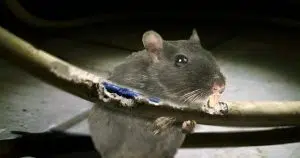
- Gnaw marks: Check food packaging, timber, insulation, wires and other materials for fresh chewing damage.
- Strong or unusual odours: A persistent musky smell in a cupboard, wall space or roof void can be a warning sign.
- Nesting material: Shredded paper, cardboard, insulation or fabric may be collected into protected nesting sites.
- Greasy marks or runways: Repeated travel can leave marks along edges, behind appliances and beside walls.
- Missing food: Opened packages, small bite marks and unexplained food loss deserve attention.
- Pet behaviour: Dogs or cats repeatedly staring at a wall or ceiling area may be reacting to sounds or movement you cannot easily see.
One sign does not always prove a mouse infestation, but several signs together should not be ignored.
When Should You Schedule an Immediate Mice Inspection?
Some situations call for an inspection as soon as possible rather than waiting for your next routine check.
Schedule an immediate inspection after repeated mouse sightings, especially during daylight. Arrange one when
- droppings are appearing in several areas
- you hear regular activity in ceilings or walls
- you discover gnawed electrical cables or stored food.
- A strong odour from a hidden space can also indicate nesting or a dead rodent.
Act quickly in homes with children, pets, food preparation areas or vulnerable storage conditions. The goal is to establish whether there is an active problem, locate the source and prevent the situation from becoming more difficult to manage.
What Happens During a Professional Mice Inspection?
A professional inspection is more than looking for a mouse in the kitchen.
- A technician will typically assess the property systematically.
- The inspection may begin with visible evidence such as droppings, gnawing, tracks, nesting material and odours.
- The technician may then inspect likely harbourage and access areas, including kitchens, pantries, garages, roof spaces, subfloor areas and external sections of the building.
- Technician look for entry points, small gaps around doors, pipes, vents, rooflines and other penetrations can provide access.
- The technician can also consider nearby food and shelter sources.
The process starts with inspection and identification, followed by targeted treatment such as trapping, baiting or proofing, with follow-up visits where needed.
Remember, the outcome should explain what was found, where activity is occurring, what may be attracting mice and what can reduce reinfestation.
(To know about out complete process – visit https://auzziepestcontrol.com/pest-control-services-in-rodents)
What Areas of Your Brisbane Home Should Be Inspected?
Mice do not necessarily stay where you first notice them. A thorough inspection should consider the whole property, including:
- Kitchen and pantry: Look behind appliances, inside cupboards, around food storage and near plumbing penetrations.
- Roof void: Check for droppings, nesting material, gnawing and access points around the roof structure.
- Wall cavities: Scratching noises can indicate activity inside concealed spaces.
- Garage and shed: Stored cardboard, garden supplies and infrequently disturbed items can provide shelter.
- Laundry: Pipes, vents and appliance spaces can create routes into the home.
- Subfloor areas: Raised houses may provide accessible shelter beneath the floor.
- External walls and entry points: Doors, vents, pipe penetrations, roof edges and gaps around building materials deserve attention.
- Garden and bin areas: Food waste, dense vegetation and clutter can increase the attractiveness of the surrounding area.
How to Prevent Mice Between Inspections
Inspections work best when combined with simple prevention.
- Store dry food in sealed containers rather than leaving packets open.
- Clean crumbs and spills promptly, particularly under appliances.
- Keep rubbish bins closed and avoid allowing food waste to accumulate.
- Store pet food securely and clean bowls after feeding rather than leaving food available overnight.
- Reduce clutter in garages, sheds and storage areas, especially piles of cardboard, fabric and paper.
- Outside, trim vegetation away from walls where practical, keep outdoor storage organised and deal with obvious rubbish or harbourage.
- Seal suitable gaps around doors, vents, pipes and other openings using appropriate materials.
- Do not rely on ultrasonic gadgets alone to solve an established infestation.
It is recommended to use an integrated approach that can include exclusion, habitat modification, trapping and baiting, depending on the situation.
To know more, read our blog – What Attracts Rats and Mice to Brisbane Properties? Common Causes Most Homeowners Ignore
Do Older Brisbane Homes Need More Frequent Mice Inspections?
Not true, but they can deserve closer attention. Older homes may have ageing weather seals, gaps around utility penetrations, roof damage, timber movement or building alterations that create hidden access routes.
The right response is to assess the condition of the property. If an older house has no signs of activity and is well maintained, annual inspections may be enough. If you are regularly finding droppings, hearing roof activity or discovering entry points, a six-monthly schedule may be more appropriate.
Should Brisbane Rental Properties Have Regular Mice Inspections?
Yes, regular pest awareness is valuable in rental properties, but responsibility can depend on the cause of the pest problem.
Queensland’s Residential Tenancies Authority states that — “rental properties must be free from vermin when a tenant moves in and throughout the tenancy, unless the vermin is there because of the tenant’s actions.”
Tenants should notify the property manager or owner as soon as they become aware of vermin. For property owners and managers, routine inspections can help identify evidence of pests and maintenance issues early. The routine property inspections may include checking for evidence of pests, damage and deterioration.
Because tenancy situations vary, owners, managers and tenants should consider the cause of the infestation and the terms of their agreement rather than assuming one party is automatically responsible.
How Much Does a Mice Inspection Cost in Brisbane?
The cost depends on whether you need a simple inspection, inspection plus treatment, roof-void access, exclusion work, traps, baiting or follow-up visits or any other combination etc.. Property size and the severity of the problem can also affect the final price.
Brisbane providers currently advertise rodent inspection or treatment at prices ranging from roughly $120 for some basic services to around $200 or more, while more comprehensive mouse-control packages can start around $295. Prices vary significantly, so homeowners should compare what is actually included rather than choosing on price alone.
Auzzie Pest Control’s its rodent treatment starts from $165 and inspection and identification form part of our treatment process. For an accurate price, the best approach is to have the property assessed and receive a clear quote based on the work required.
To have quick estimate of price – have a look at our Quick Book.
Professional Mice Pest Control vs DIY Inspections
A DIY check can be useful for spotting obvious signs, but it has limitations. Homeowners may see droppings in one cupboard without knowing where the mice are entering, nesting or travelling.
A professional inspection brings experience in recognising less obvious signs and locating access points in difficult areas. It can also help distinguish mice from rats and determine whether the problem needs trapping, baiting, proofing or a combination of measures.
Note, DIY prevention still matters. Keep food secured, reduce clutter and seal suitable entry points. When activity continues despite those changes, professional mice pest control is usually the better option.
Frequently Asked Questions About Mice Inspections in Brisbane
How often should I inspect my home for mice?
For a lower-risk home, an annual professional inspection is a sensible starting point. Consider more frequent inspections where there has been previous activity, the building has easy access points or the property repeatedly attracts rodents.
Can I have mice without seeing them?
Yes. Mice are small, mostly nocturnal and good at hiding. Droppings, scratching, gnawing and nesting material may appear before you ever see a live mouse.
Are mice active all year in Brisbane?
They can be. Queensland Government information states that breeding can occur at any time, although field breeding is more common in spring and early summer. Local weather, food and shelter availability can change activity levels.
Should I wait until I see several mice?
No. One sighting does not always mean a major infestation, but it is a useful warning. An inspection can determine whether there is a wider problem and whether entry points need attention.
Do professional inspections include treatment?
It depends on the pest company and service booked. Auzzie Pest Control’s rodent process begins with inspection and identification and can continue with targeted treatment, proofing and follow-up where required.
Protect Your Brisbane Home with Regular Mice Inspections
Mice problems are easier to manage when they are detected early. For many Brisbane households, an annual inspection provides a practical baseline, while homes with recurring activity, older construction, accessible roof or subfloor areas, or higher exposure may need more frequent checks.
The most important rule is simple: do not ignore the early warning signs. Droppings, scratching, gnaw marks, nesting material or repeated sightings all deserve attention. A professional inspection can help identify how mice are getting inside, what is keeping them there and what can be done to prevent the problem from returning.
Auzzie Pest Control provides rodent inspections and treatment across Brisbane and surrounding areas, using a structured approach that can include inspection, identification, targeted control and proofing. If you suspect mice in your home, dealing with the problem early can help protect your food, property and peace of mind.