


Top Questions to Ask Before Hiring a Termite Exterminator
Termites are one of those problems homeowners rarely think about until they discover them. Then suddenly, they become the only thing one thinks about.
The trouble is that termites do not announce themselves. They work quietly behind walls, under flooring, inside roof timbers, and beneath foundations. And, by the time visible damage appears, they may have been feeding on your home for months or even years.
That is why choosing the right termite exterminator matters so much.
Why Hiring the Right Termite Exterminator Is Important
First of all, let’s be clear, not all pest control companies are termite specialists. I have walked into homes where previous treatments failed because someone treated termites the same way they would treat ants or cockroaches, and the homeowner thought that the problem was solved. Meanwhile, termites continued feeding inside structural timber.
Termites cause billions of dollars in property damage every year. And unlike storm damage or fire damage, termite damage is often not covered by standard home insurance policies. If the treatment fails, the repair bill lands squarely on one’s shoulders.
A proper termite exterminator does much more than spray chemicals. They inspect the property thoroughly, identify the termite species, determine how they are entering the structure, evaluate risk factors, select the correct treatment strategy, and provide ongoing protection.
The difference between choosing the right company and the wrong company can mean thousands of dollars in the long run.
Questions About Licensing, Certification, and Insurance
Start with the basics.
Ask:
- Are you licensed by the state pest control authority?
- Can I see your license number?
- Do you carry general liability insurance?
- Are your technicians properly certified for termite work?
Any legitimate company should answer these questions immediately. If someone becomes defensive or tries to brush the questions aside, that is a warning sign. A good answer sounds like:
“Absolutely. Here is our license number. Here is proof of insurance. Our technicians receive ongoing termite-specific training and certifications.”
Whereas a bad answer sounds like:
“Don’t worry about that. We’ve been doing this for years.”
Remember, a strong answer includes details, examples, and confidence, whereas a weak answer usually stays vague.
Remember, experience is valuable. Licensing and insurance are still non-negotiable. Insurance matters because accidents happen. Drilling mistakes, property damage, and unexpected incidents can occur during treatment. Without proper insurance, you could end up dealing with a costly situation. Ask to physically see documentation. Do not settle for verbal assurances.
A reputable company should have no problem providing copies of licenses, insurance certificates, and technician credentials. If they hesitate, move on.
Questions About Experience and Expertise
Here is a question many homeowners forget to ask:
How long have you been treating termites specifically?
Notice the word “specifically”.
A company might have twenty years of pest control experience while only handling termite work occasionally. Both these are two very different things.
Ask:
- How many termite treatments do you perform annually?
- What termite species do you commonly treat?
- Are your technicians certified structural pest control operators?
- Have you treated homes similar to mine?
I have seen termite infestations in slab homes, crawl spaces, brick veneer houses, historic timber homes, and modern builds. Each requires a different approach.
You want someone who deals with termites every week, not someone who occasionally handles them when they appear on the schedule.
Questions About Termite Inspection Procedures
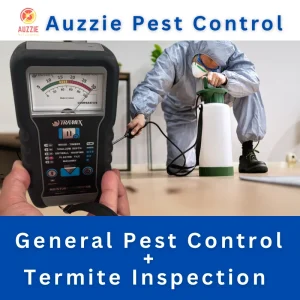
The inspection is where everything starts. If the inspection is poor, the treatment plan will probably be poor too.
Ask:
- What areas do you inspect?
- How long will the inspection take?
- Will I receive a written report?
- Will the report include diagrams or maps?
A thorough termite inspection should never feel rushed. If somebody walks around your house for ten minutes and immediately recommends a $2,000 treatment, be sceptical.
A proper inspection often includes:
- Interior rooms
- Roof voids
- Basements
- Crawl spaces
- Garages
- Exterior walls
- Landscaping near the structure
- Moisture-prone areas
- Foundations
- Fences and outbuildings
The inspector should look for:
- Active termites
- Mud tubes
- Damaged timber
- Moisture issues
- Entry points
- Conditions attracting termites
A good report contains photographs, findings, recommendations, risk factors, and a property diagram showing termite activity. A bad report may simply say: “Termites found. Treatment recommended.” That tells you almost nothing. You are paying for expertise. Make sure the inspection reflects that.
Questions About Treatment Methods and Solutions
This is where homeowners often get overwhelmed. Most people hear technical terms and simply trust whatever the company recommends. Do not do that.
Ask:
- What treatment method do you recommend?
- Why is it the best option for my home?
- What alternatives exist?
- What products do you use?
Common termite solutions include:
Liquid Soil Barriers — Products such as Termidor are applied around the structure to create a treated zone.
Advantages
- Immediate protection
- Proven effectiveness
- Long-lasting results
Disadvantages
- Requires trenching or drilling
- Installation can be labour-intensive
Baiting Systems — Systems such as Sentricon use bait stations installed around the property.
Advantages
- Low environmental impact
- Targets the colony directly
- Continuous monitoring
Disadvantages
- May take longer to eliminate colonies
- Requires ongoing maintenance
Heat Treatments — Heat can eliminate termites in localised areas.
Advantages
- Chemical-free
- Effective for certain situations
Disadvantages
- Limited applications
- May not address colony sources outside treated area
Fumigation — Typically used for severe infestations involving drywood termites.
Advantages
- Whole-structure treatment
- Reaches hidden infestations
Disadvantages
- Requires temporary vacancy
- Higher costs
A trustworthy exterminator explains both strengths and limitations. Watch out for anyone claiming their treatment is perfect. No treatment is perfect. Every property has different needs. The best professionals explain exactly why one option fits your situation better than another.
Questions About Safety and Environmental Impact
If one has children, pets, or family members with health concerns, this is the most important section –
Ask:
- Are these products safe when applied correctly?
- Do we need to leave during treatment?
- How long before treated areas can be used normally?
- How do you protect beneficial insects and the surrounding environment?
Good companies explain safety procedures clearly. One should receive product information and safety guidance. A professional answer might sound like:
“The product is applied according to label requirements. Your family and pets should avoid the treatment area during application. We’ll explain re-entry guidelines before we leave.”
A poor answer sounds like: “It’s totally harmless.”
And, that’s the answer that worries me. Every pesticide has instructions and precautions. Honest professionals discuss them openly rather than pretending they do not exist.
Questions About Treatment Costs and Pricing
Ask:
- Is this a fixed quote or an estimate?
- What exactly is included?
- Are follow-up visits included?
- Are there extra charges for drilling?
- Could costs increase if additional termite activity is found?
Request an itemised quote. You should know exactly what you are paying for.
A quality proposal typically lists:
- Inspection fees
- Treatment costs
- Materials
- Monitoring systems
- Follow-up visits
- Warranty terms
Be cautious of unusually low prices. I have seen homeowners choose the cheapest quote only to spend far more later correcting incomplete work.
Questions About Warranties and Service Guarantees
Many homeowners assume all warranties are the same but actually they are not.
Ask the following questions regarding warranty / guarantee:
- What exactly does the warranty cover?
- How long does it last?
- What voids the warranty?
- Is it transferable if I sell my home?
- Does it cover termite damage repairs?
Here is the key distinction.
Re-Treatment Warranty — The company agrees to retreat the property if termites return. That sounds good, but it may not cover repair costs.
Damage Repair Warranty — The company may cover certain termite-related repair costs if termites return while the agreement remains active. That can represent significant added protection. So always, read the warranty carefully.
Pay attention to:
- Coverage limits
- Exclusions
- Renewal requirements
- Inspection obligations
- Transferability provisions
Good companies encourage you to read everything at the same time; bad companies rush you through the paperwork. Never sign anything you do not fully understand.
Questions About Prevention and Long-Term Protection
Termite control is not only about eliminating current activity. It is also about reducing future risk.
Ask:
- What conditions around my property attract termites?
- What preventive steps should I take?
- Will you identify moisture problems?
- Will you point out wood-to-ground contact?
Many infestations begin because conditions around the property make life easy for termites. Common risk factors include:
- Leaking pipes
- Poor drainage
- Mulch against foundations
- Firewood storage near structures
- Wood touching soil
- Excess moisture
A quality termite specialist should act like an educator. They should show you exactly what changes can reduce risk long after treatment is complete.
Questions About Follow-Up and Maintenance Services
Termite protection is rarely a one-and-done service. Ongoing monitoring often plays a major role.
Ask:
- How often will inspections occur?
- How frequently are bait stations checked?
- What happens during follow-up visits?
- Is the annual renewal fee fixed?
- Can renewal costs increase?
If bait stations are installed, regular inspections are essential. If a liquid barrier is used, periodic inspections still help identify new risk factors.
A good provider explains the long-term plan clearly. You should know exactly what happens next month, next year, and several years from now. There should be nothing left to guess or surprise.
Red Flags to Watch for When Hiring a Termite Exterminator
Some warning signs show up again and again.
Watch for:
- High-pressure sales tactics demanding immediate signatures
- Door-to-door salespeople claiming your neighbours have termites
- Showing jars of termites as scare tactics
- Quotes provided without inspecting the property
- Refusal to provide written contracts
- Vague answers about products used
- No proof of licensing or insurance
- Extremely low pricing that seems too good to be true
- Refusal to provide references
- Guarantees that sound unrealistic
Biggest red flags? Anyone who says they can solve every termite problem with the same treatment. That is simply not how termite control works.
Final Checklist Before Making Your Decision
Before signing a contract, make sure you have:
- Verified licenses and insurance
- Reviewed technician qualifications
- Received a detailed inspection report
- Compared multiple quotes
- Understood the recommended treatment
- Reviewed product information
- Read warranty terms carefully
- Confirmed follow-up schedules
- Received a written contract
- Had all questions answered clearly
If any of these items are missing, slow down and keep asking questions.
Frequently Asked Questions
Can I stay home during a liquid termite treatment?
Usually, yes. In many cases, homeowners can remain in the house while exterior treatments are performed. Certain situations may require temporary restrictions around treated areas. Your exterminator should provide clear instructions before work begins.
How long does a termite treatment actually last?
It depends on the treatment type, environmental conditions, and maintenance requirements. Many professional soil treatments can remain effective for years, while bait systems require ongoing monitoring and servicing.
Should I get more than one termite quote?
Absolutely. I recommend getting at least two or three professional inspections. Comparing recommendations often reveals differences in treatment approaches, pricing, warranty coverage, and inspection quality.
Is the cheapest termite treatment a good idea?
Usually not. A low price can sometimes indicate reduced coverage, weaker warranties, fewer follow-up visits, or incomplete treatment plans. Compare value, not just cost.
Conclusion: Choosing the Best Termite Exterminator for Your Home
The best termite exterminators never get annoyed when you ask detailed questions. They welcome them. That is usually a sign you are dealing with a true professional rather than someone focused on making a quick sale.
Take your time. Review the documentation. Compare answers. Read the warranty carefully. Pay attention to how thoroughly the inspection is performed.
A termite problem is serious, but hiring the right expert can make the entire process far less stressful. Ask the questions above, trust your instincts, and choose the company that provides clear answers, solid documentation, and a treatment plan that actually makes sense for your home.
For anyone looking for the best termite control company in or around Brisbane, one should not look any further than Auzzie Pest Control.