

What to Expect During a Commercial Pest Inspection
Running a business means protecting more than stock, equipment and buildings. You also need to protect your staff, customers, reputation and day-to-day operations from unwanted pest activity.
A commercial pest inspection is designed to identify signs of pests, conditions that attract them and areas where an infestation could develop.
For Brisbane businesses, a professional inspection can be particularly useful because commercial premises often combine food, moisture, storage, waste, deliveries and regular foot traffic. Whether you manage an office, restaurant, café, warehouse, retail shop, childcare facility or other commercial property, understanding what happens during an inspection helps you prepare and get more value from the service.
What Is a Commercial Pest Inspection?
A commercial pest inspection is a structured assessment of a business premises for current pest activity, evidence of previous activity and conditions that may encourage future infestations. The technician looks beyond obvious sightings. They check for droppings, gnaw marks, nests, insect harbourage, entry points, moisture sources, damaged materials and other signs that may not be noticed during everyday operations.
The inspection may cover common commercial pests such as cockroaches, ants, rodents, spiders and termites, depending on the property and the service requested. The goal is not simply to find a pest. It is to understand where the problem starts, how pests may be entering and what could be changed to reduce the risk.
Why Do Businesses Need Regular Pest Inspections?
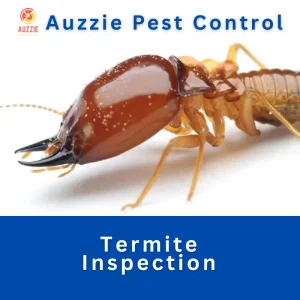
Pest problems can affect businesses in several ways. Rodents can damage packaging, wiring and stored products. Cockroaches and flies can create hygiene concerns, while termites can cause concealed timber damage. Even when pest numbers are low, repeated sightings can undermine customer confidence.
Regular inspections also help businesses identify small issues before they become harder and more expensive to manage. A technician may discover gaps around doors, leaking plumbing, overflowing bins, cluttered storage or vegetation touching the building. Fixing these conditions can be an important part of pest prevention.
For businesses in regulated or higher-risk environments, professional pest management can also form part of broader hygiene and risk-management practices. Queensland requires pest management activities involving pesticides or fumigants to be carried out by appropriately licensed pest management technicians, with additional authorisations applying to certain high-risk and sensitive places.
What Happens Before a Commercial Pest Inspection?
Before arriving, the pest control company may ask about your business, the property size, operating hours and the type of pest activity you have noticed. Tell the technician where you have seen pests, when sightings occur and whether staff have noticed droppings, smells, damaged stock or unusual noises.
It is also useful to provide access to relevant areas, including storerooms, kitchens, plant rooms, bins, loading zones and external service areas. You do not necessarily need to move everything in the building, but heavily cluttered spaces can make inspection more difficult.
For food-related or other high-risk premises, discuss site-specific requirements in advance. In Queensland, it is noticed that additional authorisations and an activity risk management plan may apply when pest control activities are carried out at high-risk or sensitive places.
What Happens During a Commercial Pest Inspection?
A technician normally starts with a discussion about the property and the pest concerns that prompted the inspection. They then work through the site systematically rather than relying on a quick visual check.
The inspection may include internal and external areas, accessible roof or ceiling spaces, service areas, storage zones and other locations relevant to the building. The technician looks for direct evidence of pests as well as environmental conditions that support them.
Depending on the pest told by you or your staff, they may look for droppings, grease marks, tracks, nests, webs, insect activity, termite indicators, damaged timber or signs of entry. They may also inspect doors, drains, wall penetrations, pipe openings, vents and other potential access points.
Remember, a useful inspection should end with clear communication. The technician should explain what was found, what was not found, what areas need attention and whether treatment or corrective work is recommended.
This is where our Auzzie Pest Control Team comes in. Our teams provides you with clear findings and treatment plan custom tailored for your site.
What Areas Should a Commercial Pest Inspector Check?
A good inspection considers the whole pest pathway: where pests live, where they find food or water, how they enter the property and where they can remain hidden.
The exact inspection scope depends on the business, but common areas include kitchens, food preparation areas, staff rooms, storerooms, stockrooms, bathrooms, drains, plumbing areas, waste storage, loading docks, delivery zones, roof cavities, plant rooms and accessible service spaces.
External walls, doors, windows, building penetrations, gardens, vegetation and areas surrounding bins should also be considered. For some properties, attention may be needed around electrical, plumbing and mechanical services or timber structures where pest activity could remain hidden.
How Long Does a Commercial Pest Inspection Take?
There is no single inspection time for every business. A small office with limited pest risk may be assessed relatively quickly, while a large warehouse, restaurant, childcare centre or multi-level commercial property can require considerably more time.
The number of buildings, floor area, access conditions, pest type, evidence found and level of reporting required can all affect the duration.
NOTE:
- A thorough inspection should not be rushed simply to meet a fixed time target.
- When booking, ask the provider what is included in the inspection and whether the quoted service covers the areas you actually need checked.
To know further – read more on our official page about – Commercial Pest Control
What Happens After the Inspection?
After the inspection, you should receive a summary of the findings. Depending on the provider and service, this may be a written pest inspection report, service record, recommendations or an ongoing pest management plan.
The report may identify active pest evidence, potential entry points, sanitation or maintenance issues and areas requiring monitoring. Some recommendations may be simple, such as sealing a gap under a door or improving waste storage. Others may require professional treatment or building repairs.
Its useful to know that – post-inspection discussion should separate confirmed findings from preventative recommendations. That makes it easier for the business owner or facility manager to decide what needs immediate attention and what can be scheduled later.
Will the Business Need Pest Treatment After an Inspection?
“Not necessarily. An inspection and a treatment are different services.”
If the technician finds no active infestation and the property is well maintained, the recommendation may simply be continued monitoring and prevention. If there is evidence of cockroaches, rodents, ants, termites or another pest, treatment may be appropriate.
The right treatment depends on the pest, infestation level, location, building use and risk factors. A professional should explain the proposed method, preparation requirements, safety precautions and follow-up process before treatment begins.
What Is Integrated Pest Management (IPM)?
Integrated Pest Management, commonly called IPM, is a prevention-focused approach that combines inspection, monitoring, hygiene, exclusion, maintenance and targeted pest control measures.
Instead of depending only on repeated chemical applications, IPM aims to address the reasons pests are surviving on the property. For example, a business may combine monitoring stations with improved waste management, sealing entry points, moisture control and better stock storage.
For commercial premises, IPM can create a more organised pest-management programme because it links treatment decisions with documented observations and preventative actions.
How Often Should a Commercial Property Have a Pest Inspection?
It all depends upon type of business, pest history, property conditions and level of risk. The suitable inspection frequency depends on all these factor.
A low-risk office may require less frequent inspections than a restaurant, food storage site, warehouse or property with a previous infestation. High-risk and sensitive premises may also have specific operational and regulatory requirements.
Rather than choosing a frequency based only on a calendar, discuss the site’s pest history and risks with our licensed commercial pest management provider. A regular inspection schedule can be adjusted when seasonal activity, construction, changes in waste handling, new storage arrangements or pest sightings increase the risk.
How Much Does a Commercial Pest Inspection Cost?
Commercial pest inspection pricing varies because commercial properties are not all the same. The size and layout of the premises, pest type, inspection depth, accessibility, reporting requirements and whether specialist equipment or follow-up visits are needed can all affect the quote.
National consumer pricing guides provide indicative figures for some residential pest inspections, but commercial work is more variable and is often quoted to suit the individual property.
For a Brisbane business, it is advised to ask for a written quote that clearly explains what the inspection covers, whether a report is included and what additional treatment or follow-up work would cost. The cheapest initial price is not necessarily the same as the lowest overall cost if important areas are excluded.
To have quick estimate of cost, check our Quick Book.
How to Choose a Commercial Pest Control Company
Following points may help you wisely choose the right Commercial Pest Control Company.
- Look for a company that understands commercial environments rather than simply applying residential pest-control routines to a business premises.
- Check that the technician is appropriately licensed for the work being performed. Queensland Health states that pest management activities using pesticides or fumigants must be undertaken by people holding the relevant current pest management licence.
- You should also consider experience with your type of property, clear inspection reports, transparent pricing, practical prevention advice, suitable after-hours options and a structured follow-up process.
Auzzie Pest Control provides commercial pest management services for Brisbane businesses including cafés, restaurants, offices, warehouses and retail properties, with inspection, treatment, prevention and ongoing monitoring options.
Questions to Ask Your Pest Control Technician
Before the inspection, ask:
- What areas are included in the inspection?
- Which pests are you assessing for?
- Will I receive a written report or service record?
- What evidence would indicate an active infestation?
- What building or hygiene issues should we correct?
- Will treatment be recommended separately from the inspection?
- What preparation is required before treatment?
- How will pest activity be monitored after treatment?
- Are there special requirements for our type of business?
Clear answers help you understand exactly what service you are paying for.
Common Mistakes Businesses Make Before a Pest Inspection
Few common mistakes include:
Cleaning away evidence immediately before the technician arrives. Deep cleaning can remove droppings, insect remains, grease marks and other clues. Maintain normal cleaning practices, but tell the technician what you have already observed.
Failing to provide access to storage rooms, kitchens, external bins or service areas because they are considered unrelated to the pest problem. These can be important harbourage and entry locations.
Businesses can also make the process harder by moving stock or equipment without recording where pest activity was seen.
Finally, do not assume that seeing one pest means there is either a major infestation or no problem at all. The inspection is there to establish the evidence.
If possible, note the location and approximate time of sightings before the inspection.
How Businesses Can Prevent Pest Problems Between Inspections
Good daily practices can reduce pest pressure between professional visits.
- Keep food sealed and stored correctly, clean spills promptly, remove rubbish regularly and keep waste areas tidy.
- Repair leaking taps, pipes and drains where possible, because persistent moisture can support pest activity.
- Keep external vegetation maintained and avoid creating piles of unused materials against walls.
- Seal practical entry points around doors, pipes, cables and other penetrations.
- Store cartons and stock neatly so staff can inspect behind and beneath them.
- Staff awareness also matters. Encourage employees to report sightings promptly rather than trying to handle recurring pest activity themselves.
Remember, early reporting gives the business a better chance of addressing a problem before it spreads.
Commercial Pest Inspection Checklist
Use this checklist before your next inspection:
- Record recent pest sightings and their locations.
- Note unusual smells, noises, droppings or damaged stock.
- Make kitchens, storerooms and service areas accessible.
- Provide access to external waste and loading areas.
- Tell the technician about previous treatments.
- Identify known leaks, damp areas or structural gaps.
- Keep relevant maintenance or pest-control records available.
- Ask what the inspection includes before work begins.
- Request a clear report and recommendations afterward.
- Schedule follow-up monitoring where appropriate.
Frequently Asked Questions
Is a commercial pest inspection the same as pest treatment?
No. An inspection identifies pest activity and risk conditions. Treatment is a separate action that may be recommended when evidence of pests is found.
Do commercial pest inspections include termites?
They can, but the scope should be confirmed when booking. A general commercial inspection is not automatically the same as a dedicated termite or timber pest inspection.
Does my business need to close during an inspection?
Not always. Many inspections can be planned around operating hours. However, the requirements depend on the premises, the areas being inspected and whether treatment is also taking place.
Should employees leave during a pest inspection?
Usually, an inspection does not require everyone to leave the building, but access and safety requirements should be discussed with the technician beforehand. Treatment may have separate preparation and re-entry instructions.
Can a pest inspection prevent an infestation?
An inspection cannot guarantee that pests will never appear. Its value is in finding evidence and conditions that increase risk, allowing the business to take preventative action earlier.
What should I do if I find pests between inspections?
Record where and when the pest was seen and contact your pest management provider – Us. Avoid disturbing suspected nests or using repeated DIY treatments without understanding the source of the problem.
Protect Your Business with a Professional Commercial Pest Inspection
Pest problems rarely begin with a dramatic infestation. They can start with a small entry gap, a damp corner, an overlooked waste area or a few pests finding a reliable food source. A commercial pest inspection helps turn those warning signs into practical information.
For Brisbane businesses, the most useful approach is to combine professional inspections with good hygiene, building maintenance, monitoring and targeted pest management. Choosing an appropriately licensed provider and understanding the inspection process also gives you a clearer basis for making decisions about treatment and prevention.
We at Auzzie Pest Control provides commercial pest control solutions across Brisbane and surrounding South East Queensland areas, including inspections, treatment and ongoing pest management programmes. Contact the team to discuss your property, pest concerns and the inspection approach that fits your business.